Find your dream journey
Fire & Coral: Expedition Diving in the Heart of the Banda Sea
Fire & Coral: Expedition Diving in the Heart of the Banda Sea
Remote Reefs, Hammerhead Encounters and Volcanic Drop-Offs from the Legendary Spice Islands
* Oslo, Billund, Gothenburg, Stockholm & Copenhagen

If you have fligths from Scandinavia included on Turkish Airlines you will arrive Jakarta in the evenning and we have a private transfer to our joimning hotel in the city centre of Jakarta.
Rest of the day free.
In Jakarta we will also meet all divers that have not flown with us from Scandinavia.
Breakfast. We have the full day in Jakarta until our late check out at 18:00 when we will prepare and take our private transfer to the airport and check in for our overnigth fligth to Ambon on Batik Air departing just after midnigth.
Departure from the hotel around 21:00
Departing from Jalarta just after midnigth arriving Ambon aroubd 6am. Transfer to the hotel and an early check-in is available.
Rest of the day free on Ambon. Optional dive day in Ambon.
An early breakfast followed by a road transfer from the airport to the Port of Tulehu (35km, 1 hr). From Tulehu we have a 5 hour boat ride across to Banda Neira, departing at 9am.
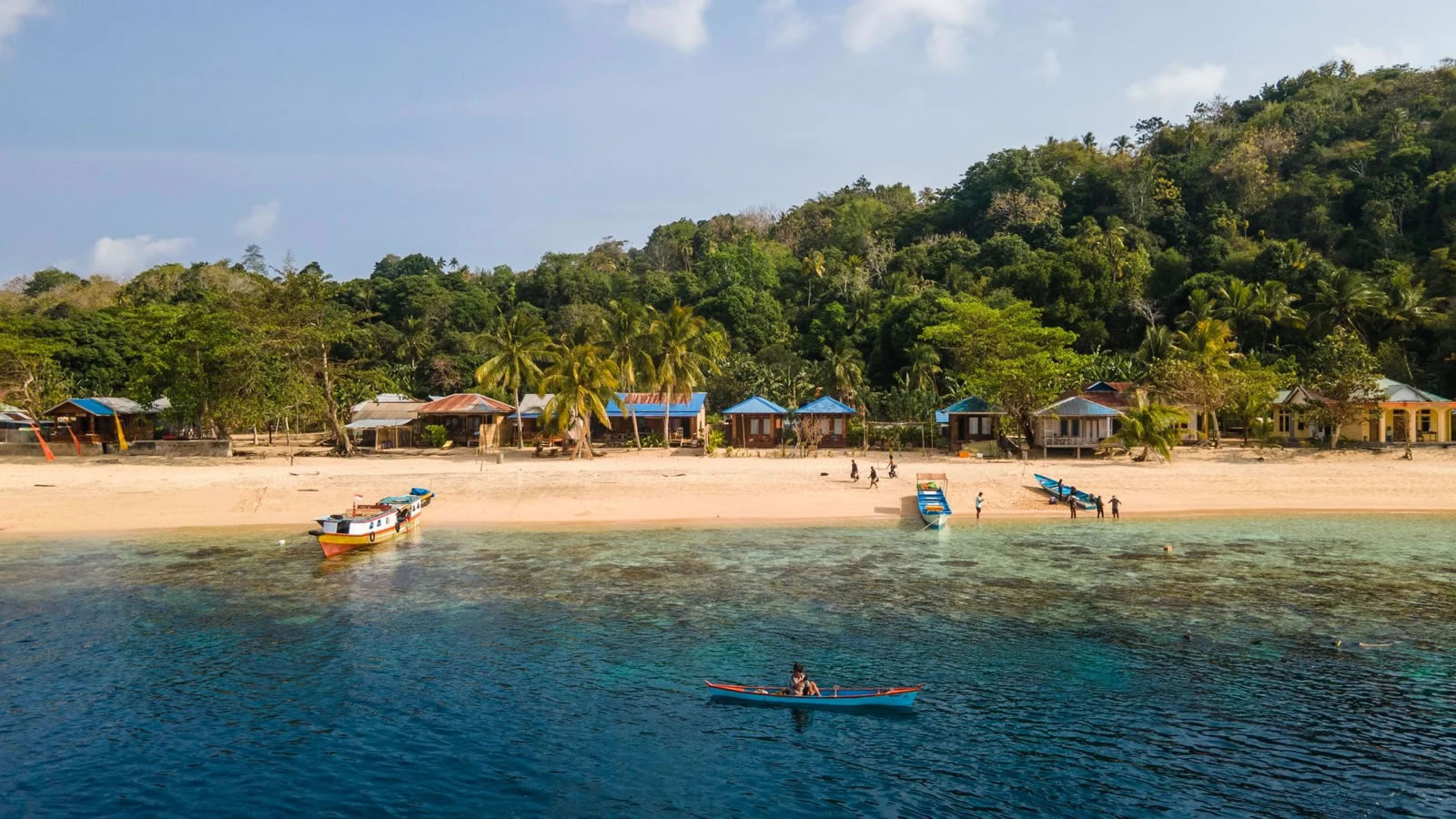
Upon arrival at Banda Neira we will be met by our local dive team and taken to our base hotel for our stay during our time on Banda Neira Island.
Check in and get aquainted with our surrounding and the tive team, briefing of the next days diving. Optional afternoon dive for those who wants to get in the water.
Rest of the day free.
ABOUT BANDA NEIRA ISLAND | History, Ocean Life, and Island Rhythm
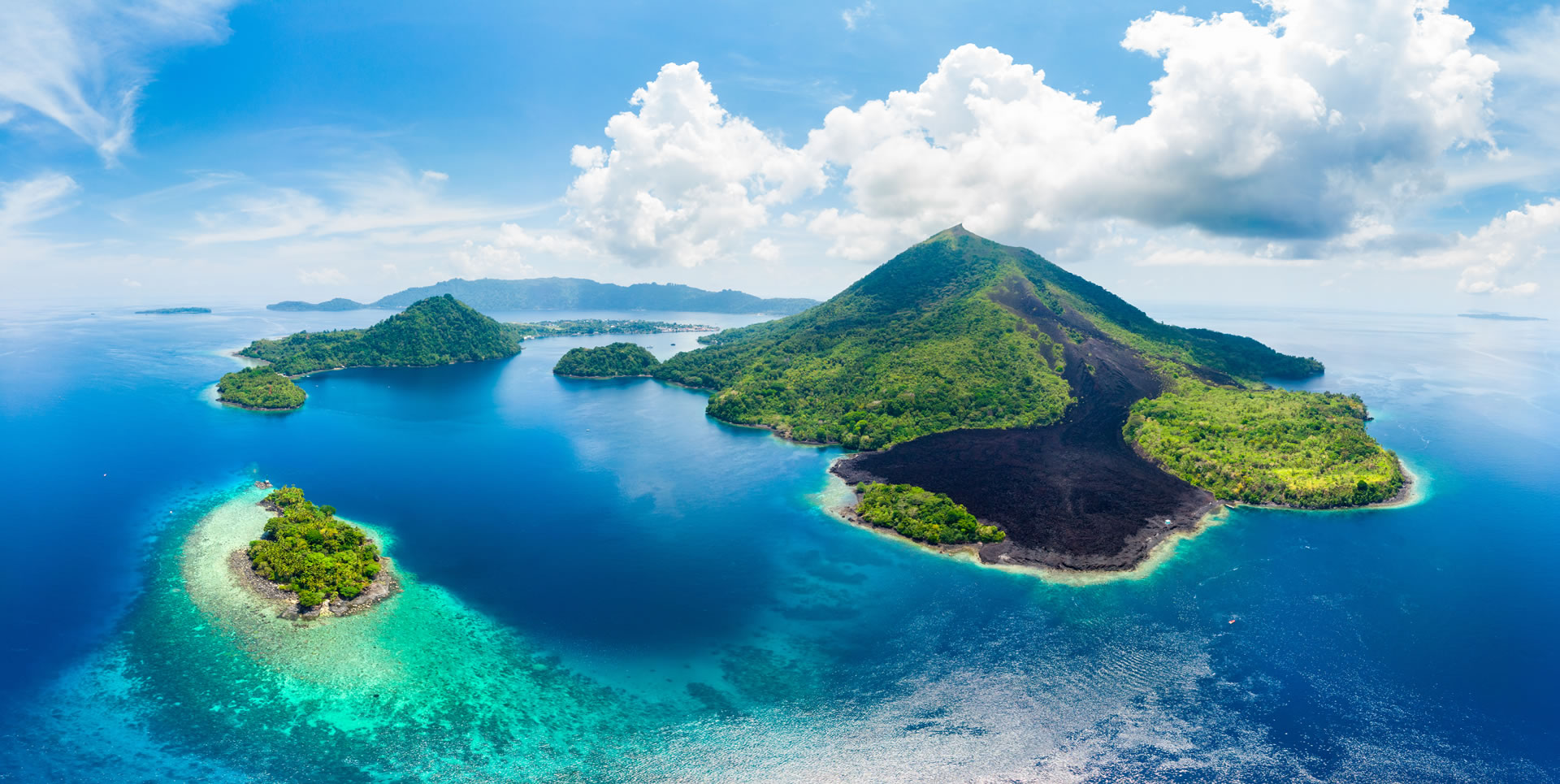
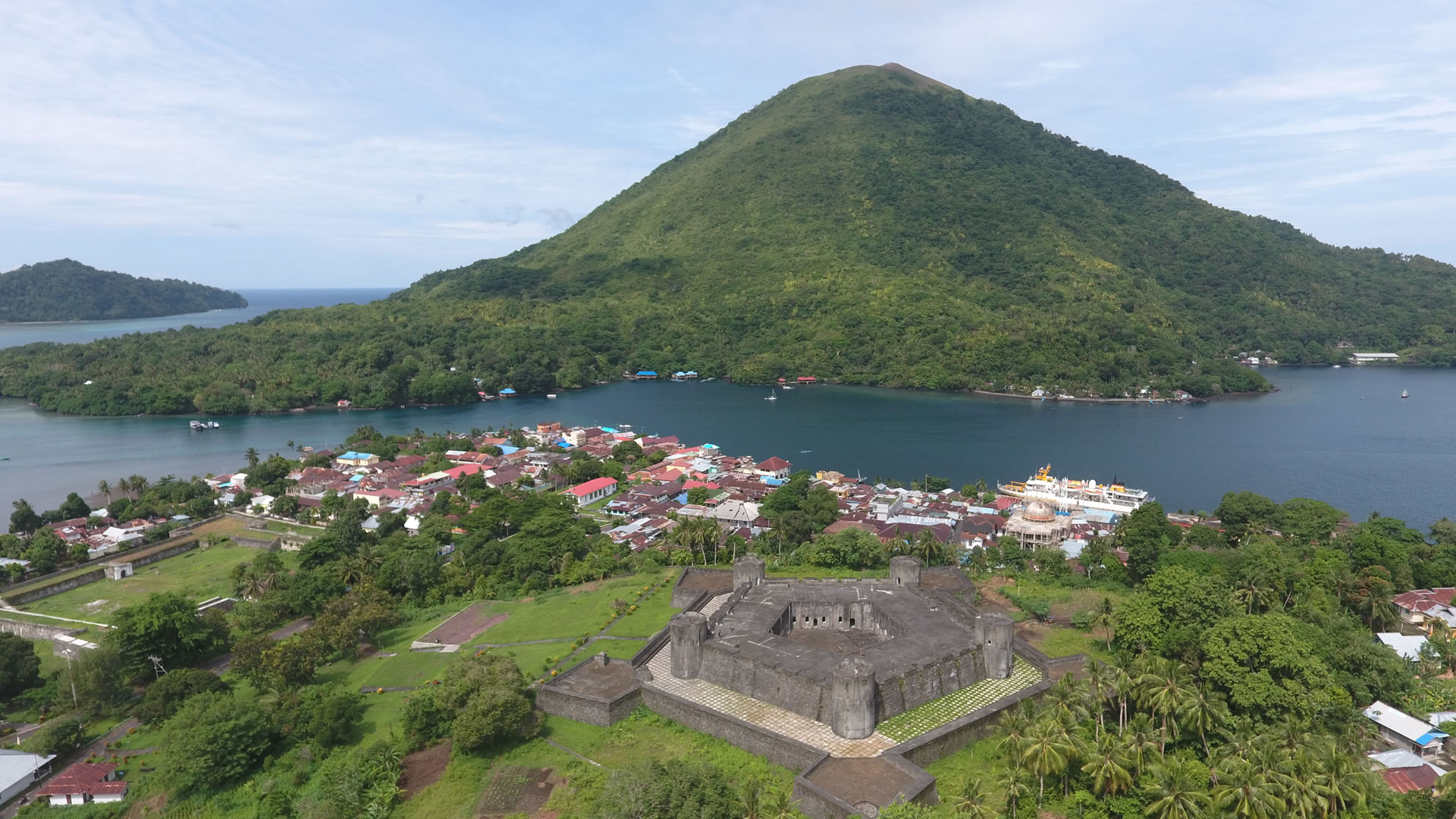
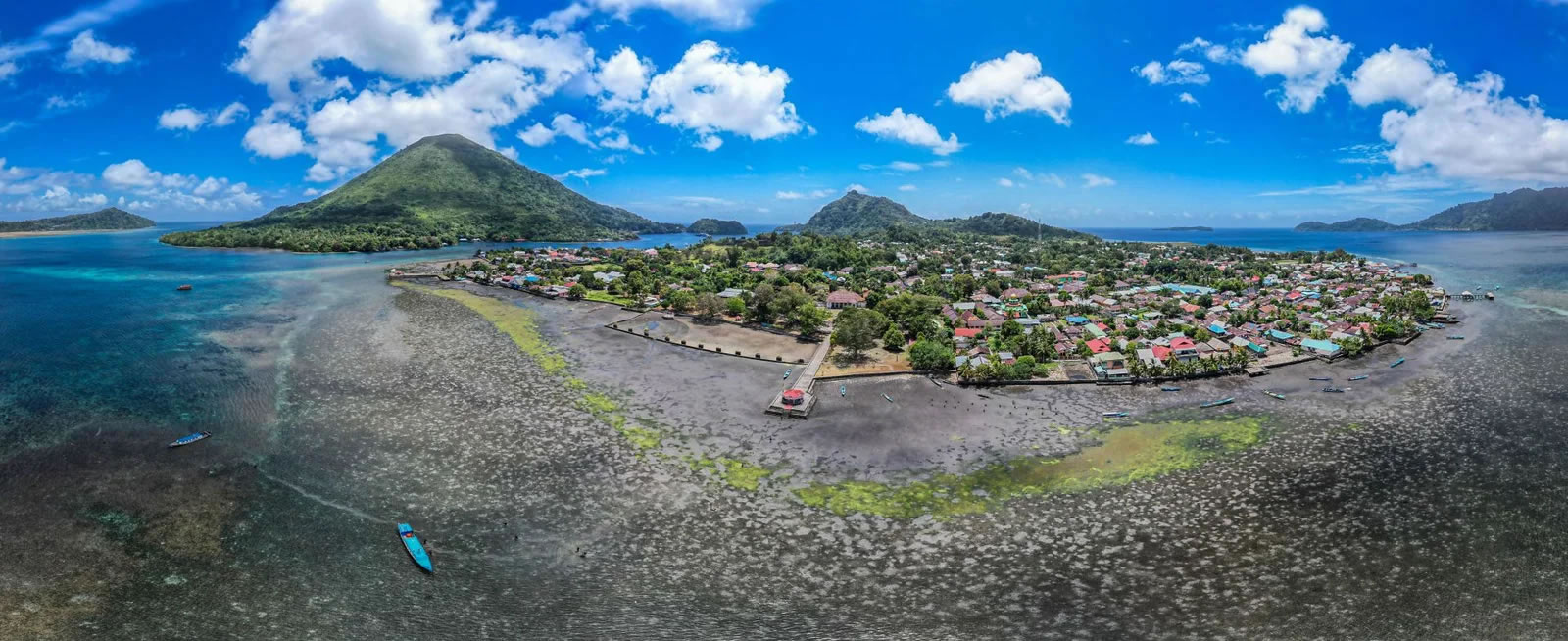
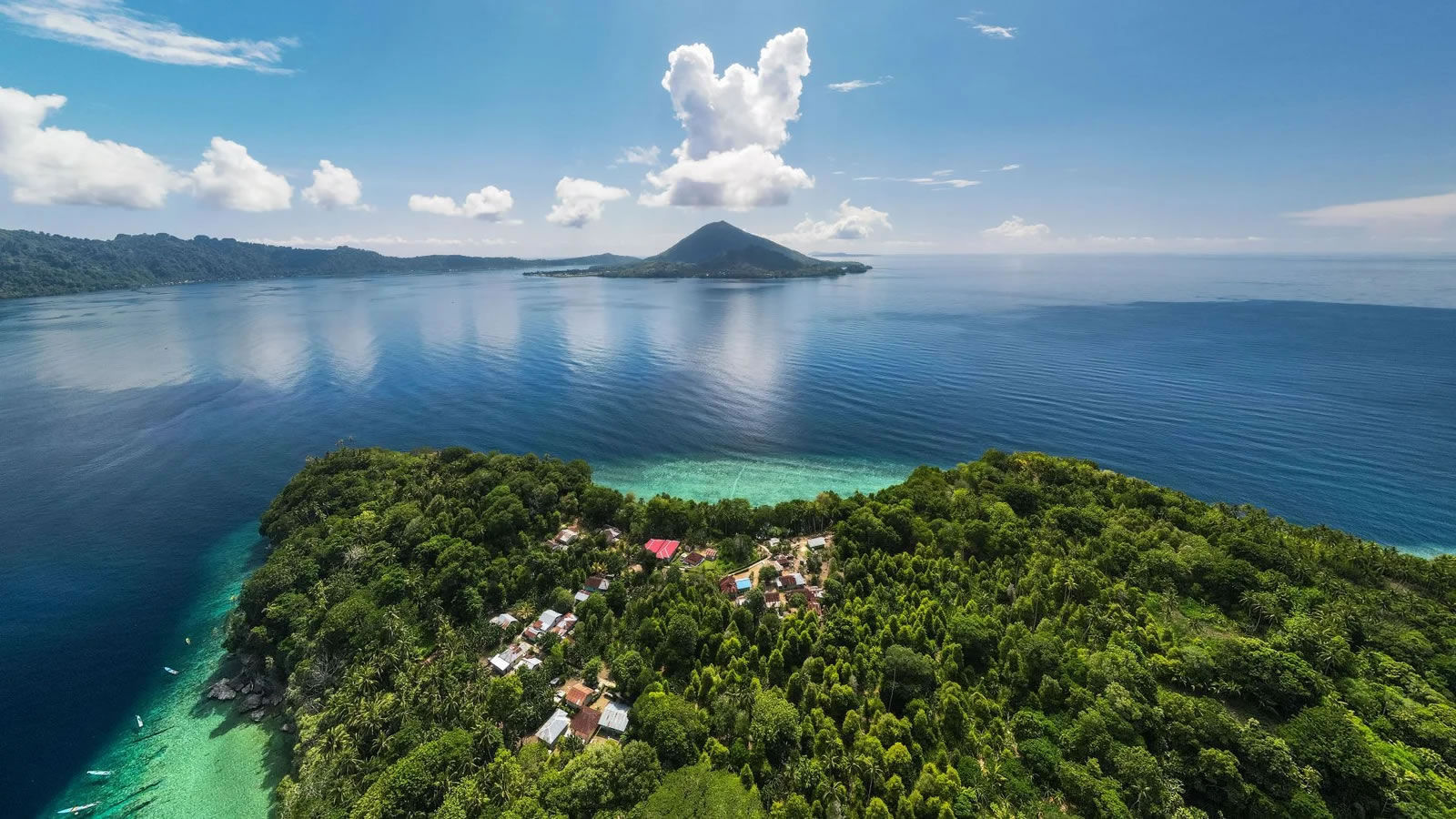
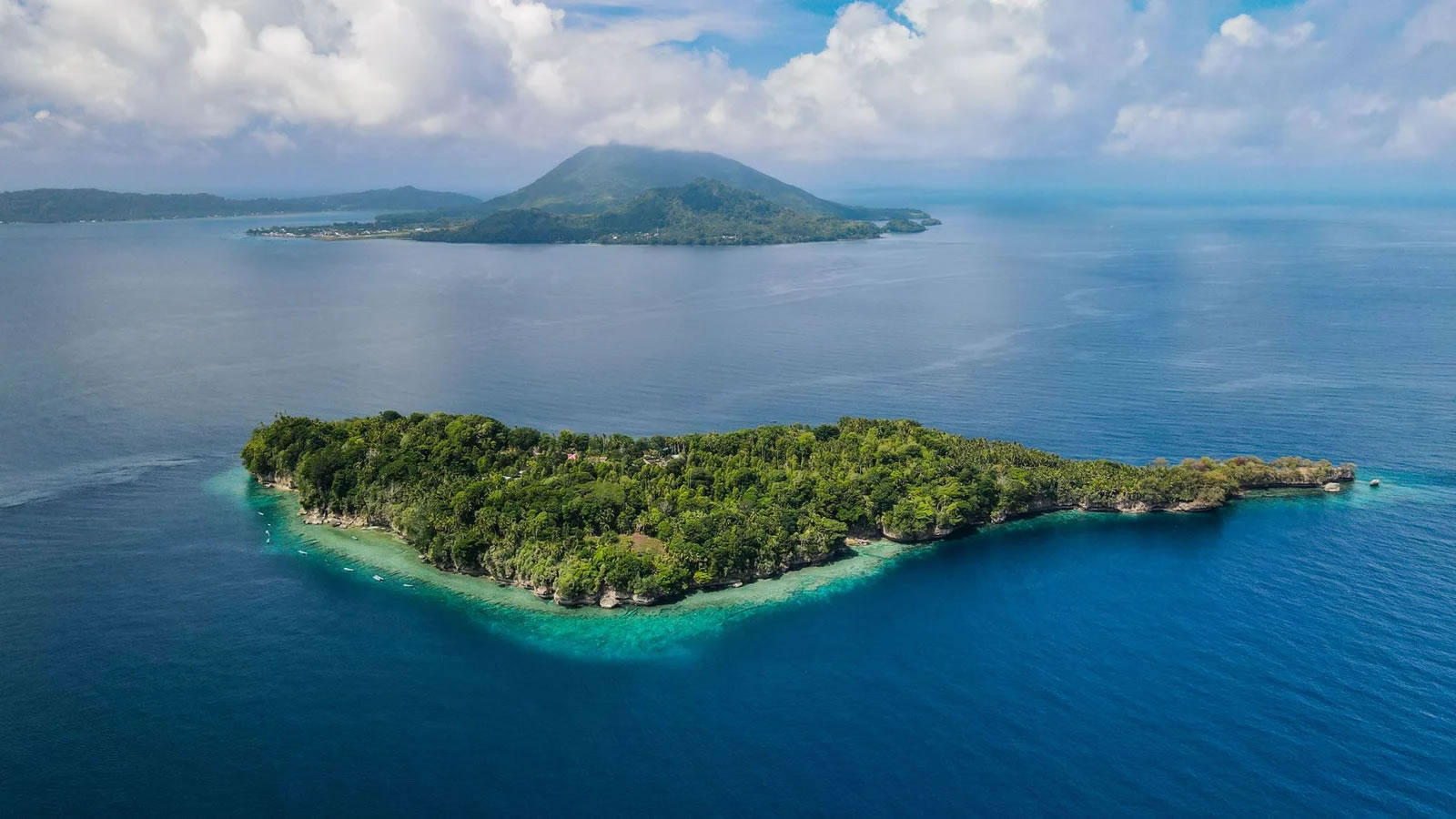
Banda Neira is a small island in eastern Indonesia with a global story far larger than its size. Once the world’s only source of nutmeg, the island became a focal point for international trade and colonial ambition. Today, traces of this past remain visible in old forts, former trading houses, and streets that still follow their original layout. The atmosphere is calm and unhurried, shaped by daily life rather than tourism infrastructure, making the island appealing to travelers seeking places with depth and authenticity.
During our stay at Banda Neira we will be diving with Banda Ocean Divers and we have planned for a total of 24 dives during our 11 days on Banda Neira with 8 full dive days, visiting both local dive sites as well as all the main off shore islands (weather dependent)
Diving in and Around Banda Neira Island
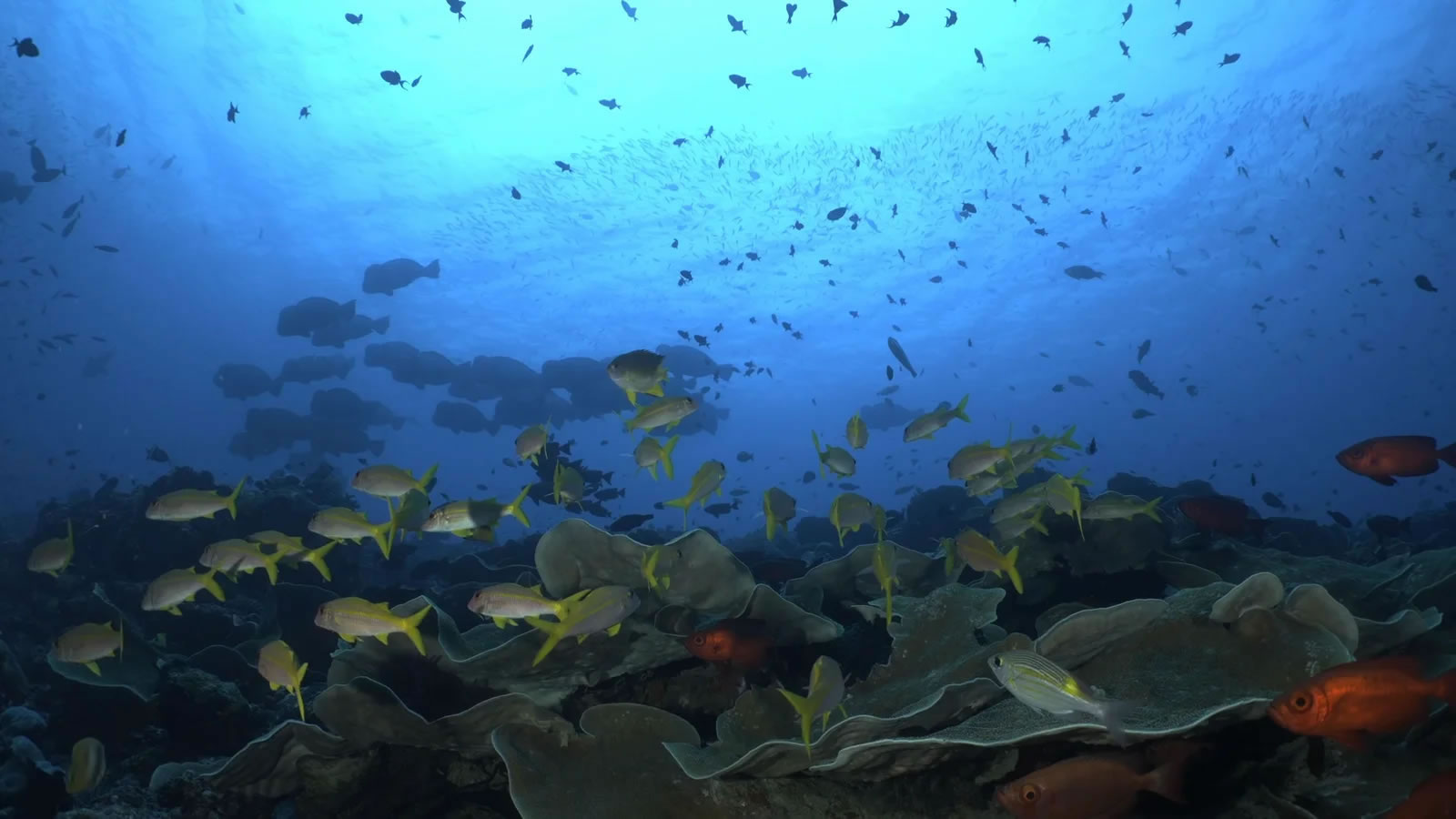
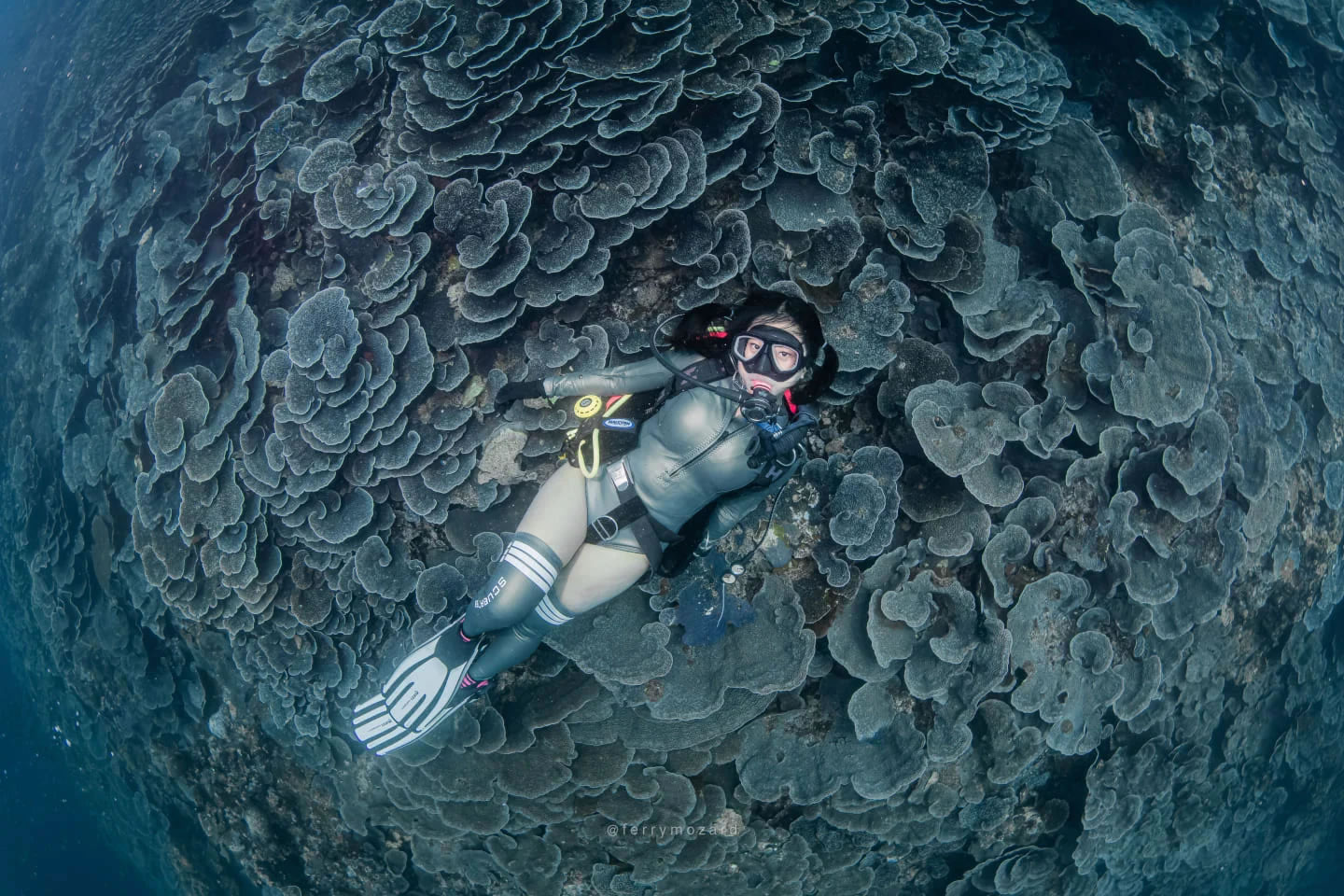
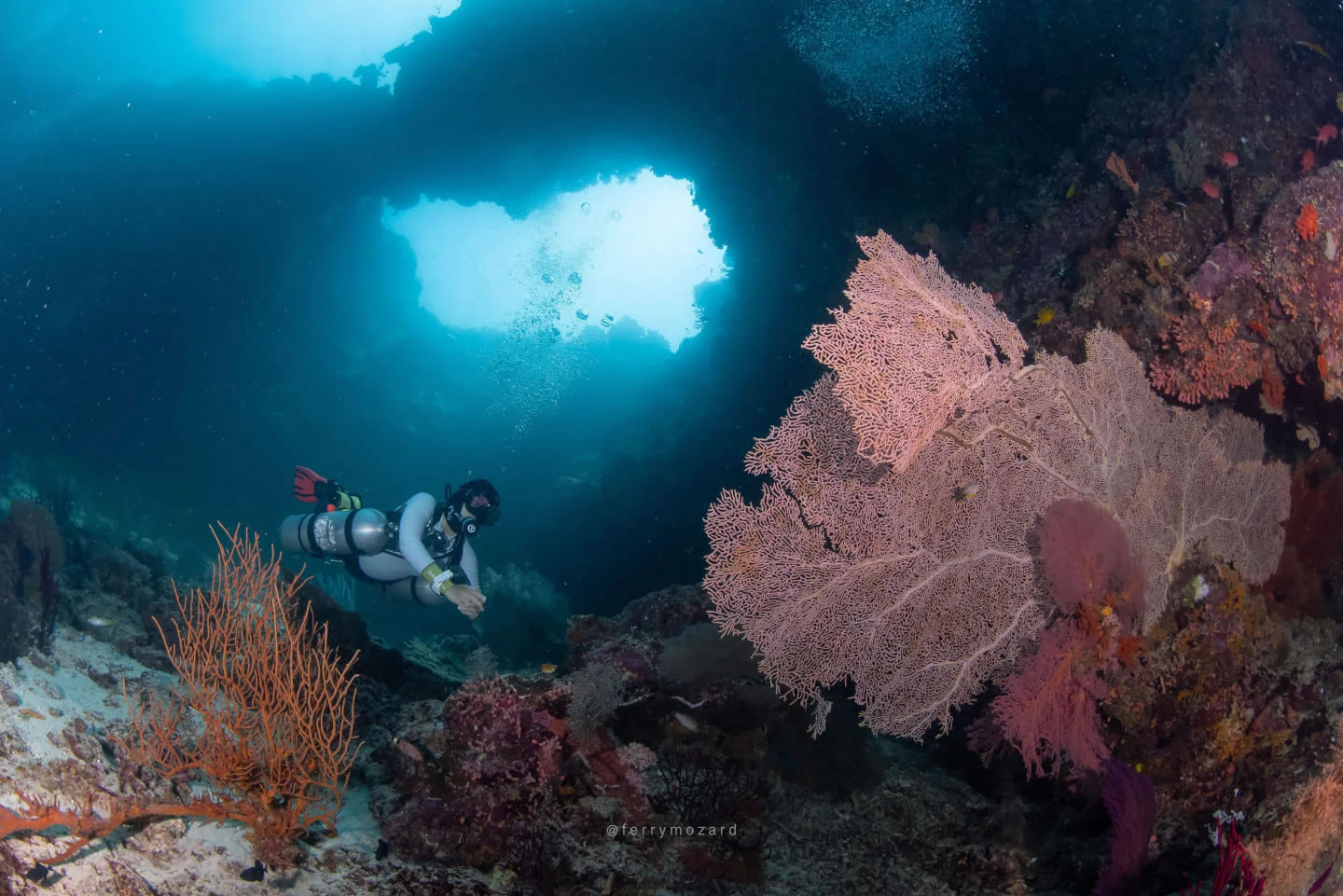
Diving around Banda Neira is defined by depth, diversity, and a sense of exploration. Located in the Banda Sea, far from major landmasses, the area benefits from open-ocean conditions that support large pelagic species as well as dense reef systems. Many dive sites drop quickly into deep water, creating a mix of walls, slopes, and submerged volcanic structures.
Well-Known Dive Sites Around Banda Neira
Batu Kapal: One of the most recognized sites in the Banda Islands. Features a steep wall with a distinctive rock formation underwater, strong fish life, schooling species, and occasional shark encounters. Best dived with some current.
Lava Flow: A unique site shaped by historic volcanic activity. Black lava rock slopes are now covered in corals and sponges. Known for reef sharks, turtles, and large schools of fish moving along the slope.
Pisang Island: Offers walls and reef slopes with consistent fish activity. Often good visibility and a chance to see pelagic species passing by, especially when currents are present.
Batu Belanda (Dutch Rock): A site with historical context and varied underwater structure. Features slopes and walls with healthy coral growth, reef fish, and occasional pelagic visitors.
Pulau Ai Wall: A dramatic wall dive with clear water and consistent current flow. Known for its scale, coral coverage, and passing pelagic species.
Manuk (Suanggi) Seamount: A remote volcanic seamount rising from deep water. Often associated with strong currents, large fish schools, and encounters with sharks. Conditions can be demanding but rewarding.
Ay, Rhun, and Nailaka: These islands west of Banda Neira are known for clear water, wide reef slopes, and healthy coral coverage. Ay and Rhun offer dramatic walls and current-swept points where pelagic species are often seen cruising past. Nailaka, a small sand island, is surrounded by shallow reefs that are ideal for relaxed dives and extended bottom time. Together, these sites combine strong marine life presence with varied underwater topography.
Hatta Island: is one of the most exposed dive areas in the region, facing the open Banda Sea. The reefs here are influenced by stronger currents, which support large schools of fish and frequent shark sightings. Expect steep drop-offs, vibrant coral formations, and a more dynamic dive profile. Hatta is often a highlight for divers interested in big-fish action and wide-angle underwater scenery.
Skaru Hatta: is a remote and lesser-dived site, appreciated for its sense of isolation and untouched reefs. The area features sloping reefs and deep water close to shore, making it a good location for spotting pelagic species passing through. Marine life density can be impressive, especially during periods of current movement.
Suanggi / Manukang: This volcanic seamount rises from deep water and is known for dramatic underwater landscapes shaped by past volcanic activity. Divers can expect steep walls, ridges, and rock formations covered in corals and sponges. The site often attracts larger species, and conditions can change quickly, adding an element of adventure to the dive.
Banda Besar and Sjahrir: Close to Banda Neira, these sites offer a mix of reef diving and historical interest. Banda Besar features coral gardens, slopes, and occasional macro life, making it suitable for varied dive profiles. Around Sjahrir, reefs are interspersed with remnants of the region’s maritime history, adding another layer to the dive experience. These sites are often used as comfortable introductions to Banda diving or as follow-up dives after more demanding locations.
These sites reflect what Banda Neira diving is best known for: depth, current-driven marine life, and open-ocean character rather than sheltered or beginner-focused conditions.
Summary
Diving in the Banda Neira region combines clear water, active currents, and a strong mix of reef and pelagic life. With water temperatures suited for long dives and visibility that often exceeds expectations, the area appeals to divers looking for substance rather than convenience. The surrounding offshore islands each add their own character—from current-rich walls to volcanic formations—making Banda Neira a destination best explored over several days, allowing time to experience its full underwater range.
Breakfast and transfer to the port on Banda Neira for our return back to Ambon y biat (5 hours) departing at 8 am.
Upon arrival Ambon Tulehu port and transfer to the Swiss Belmont Ambon.
Rest of the day free
Alternatively for those who wish to explore Ambons famous muck divign you can extend your stay on Ambon at Ambon Dive Resort (ask us for rates and options).
Breakfast and transfer to Ambon Airport for your fligth back to Jakarta on Lion Air.
Arrive Jakarta and check in on Turkish Airlines back to Oslo via Istanbul.
For those who have not booked their fligths to/from Jakarta with us we say goodbye to you in Jakarta.
Banda Neira sits in the heart of the Banda Sea and is known for varied dive profiles, healthy reefs, steep walls, and historical wrecks. Nutrient-rich currents support dense fish life and occasional encounters with larger pelagic species.
The area offers wall dives, reef dives, muck-style sites, and wreck dives. Depths range from shallow coral gardens to deeper slopes and drop-offs, making the destination suitable for both relaxed exploration and more technical profiles.
Diving is possible year-round, but conditions are generally calmer from October to April. During this period, seas are often smoother and visibility tends to be more consistent, though local conditions can change quickly.
Currents can range from mild to strong depending on location and tidal movement. Dive operators plan dives carefully and adjust sites based on experience level, offering both calm dives and more dynamic drift dives.
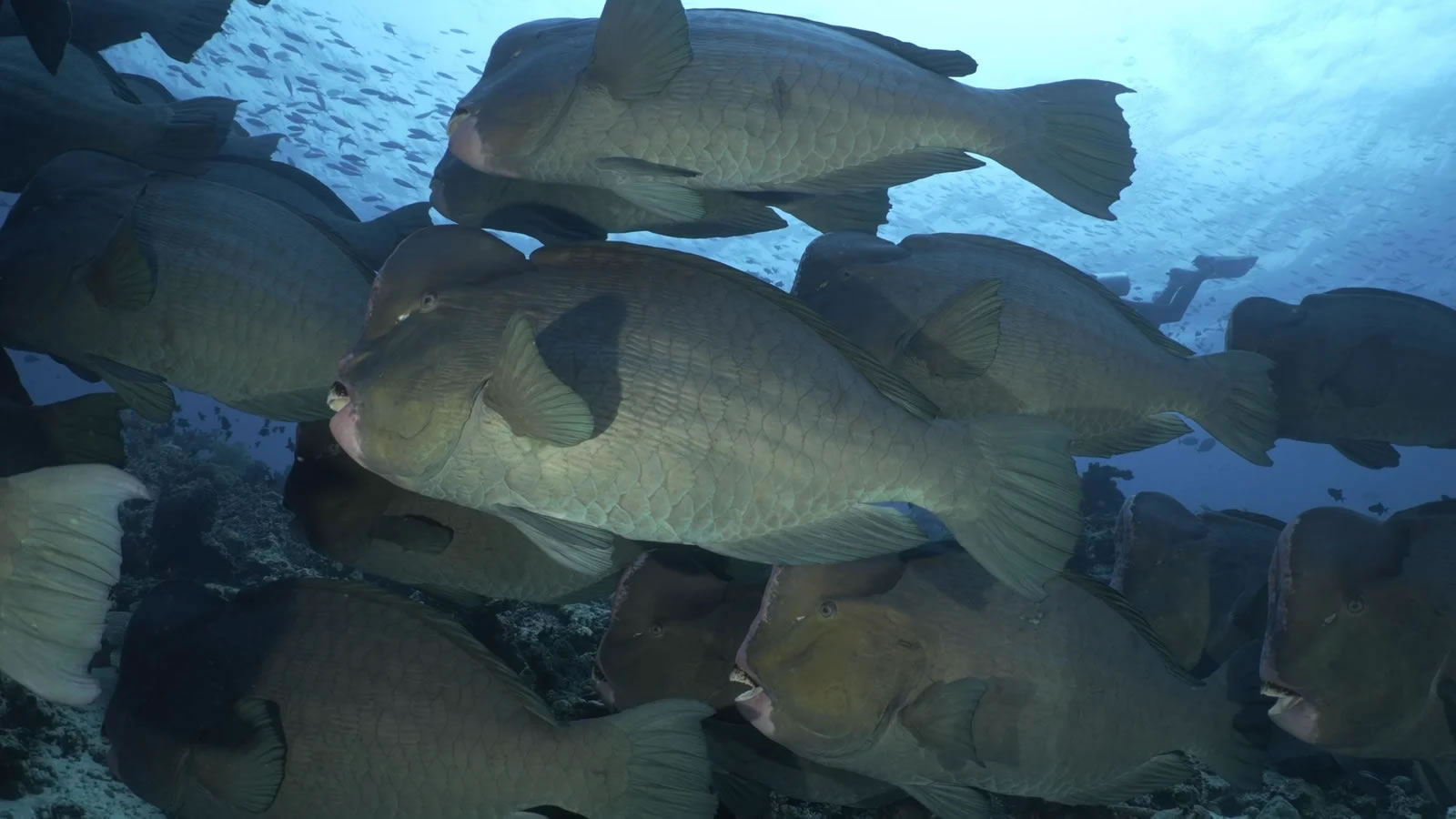
Divers can expect reef sharks, schooling fish, turtles, and rays at certain sites. The reefs are also rich in smaller species such as nudibranchs, pygmy seahorses, octopus, and other macro subjects.
In late October to early November, the water temperature around Banda Neira typically ranges between 27°C and 29°C (81–84°F).
By accepting our offer in writing, you/you confirm that our terms and conditions have both been read and understood and that cancellation fees may apply if the trip is cancelled.
| AVAILABLE DATES | PRICE (1 ADULT) | PRICE (1 CHILDREN) | Single room supplement | TRAVEL STATUS | |
|---|---|---|---|---|---|
| Sun, 25 Oct 2026 / Tue, 10 Nov 2026 | NOK 38 990 | On request | Not available | On request |
| AVAILABLE DATES | PRICE (1 ADULT) | PRICE (1 CHILDREN) | SINGLE ROOM SUPPLEMENT | TRAVEL STATUS | |
| Sun, 25 Oct 2026 / Tue, 10 Nov 2026 | NOK 38 990 | On request | Not available | On request |
We will get back to you with an offer on the requested trip / package within 48 hours. All offers are non-binding and are usually valid for 7 days. Please note that reserved services can be canceled within these 7 days and that price may change until a final order is received.
SEND REQUEST