Find your dream journey
Remote Coral Triangle reefs, dramatic underwater terrain, and iconic WWII wrecks
Remote Coral Triangle reefs, dramatic underwater terrain, and iconic WWII wrecks
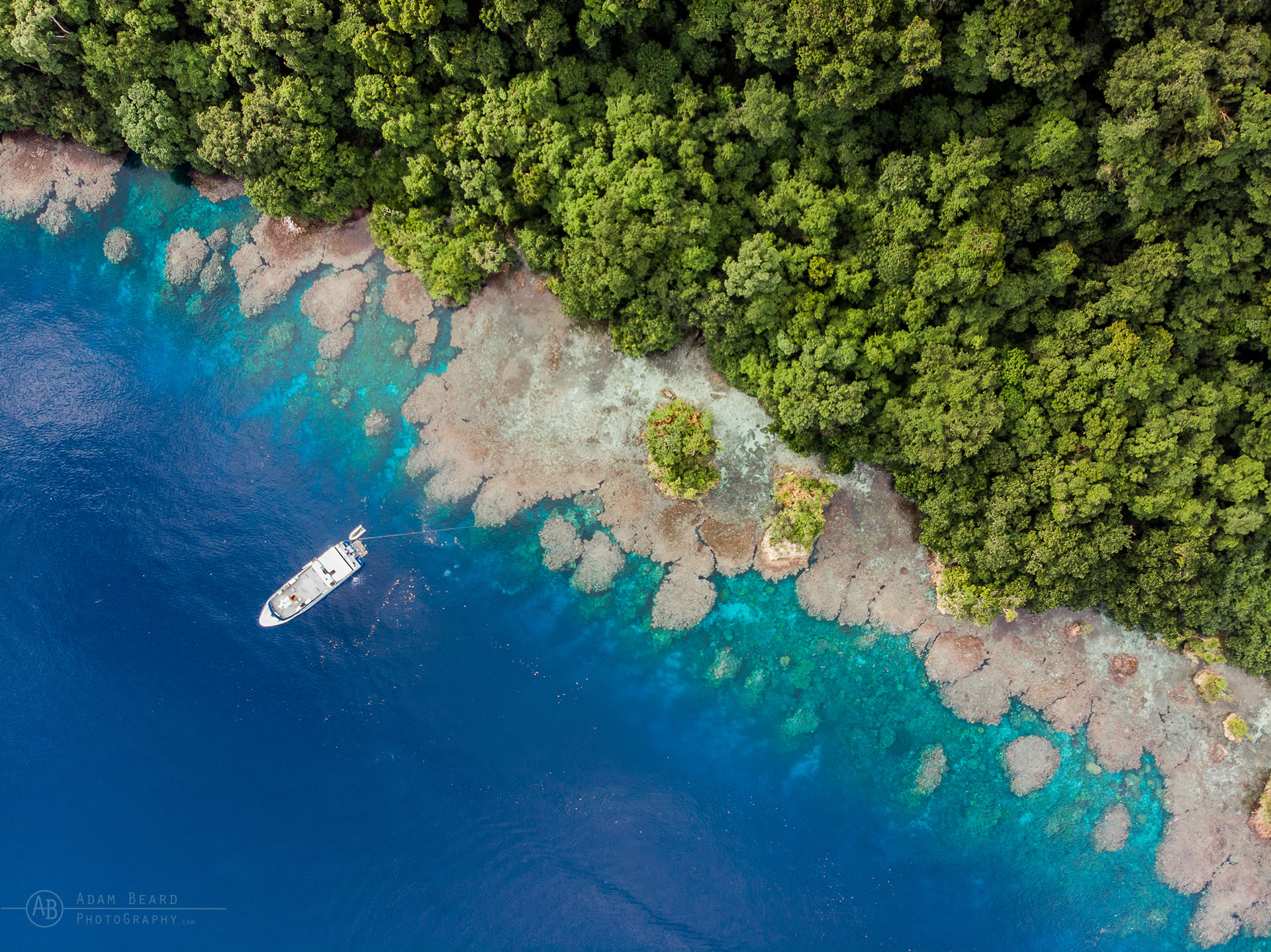
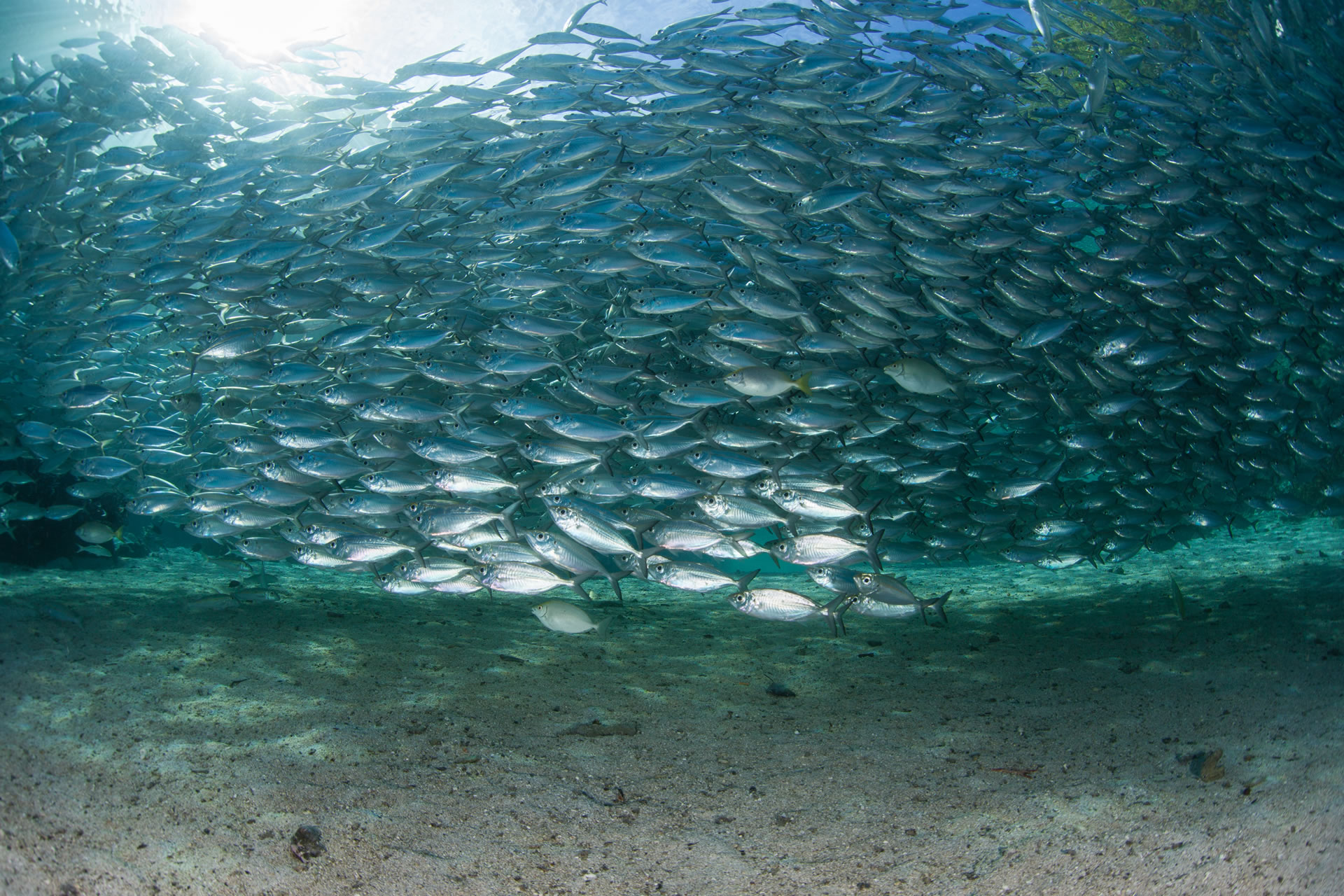
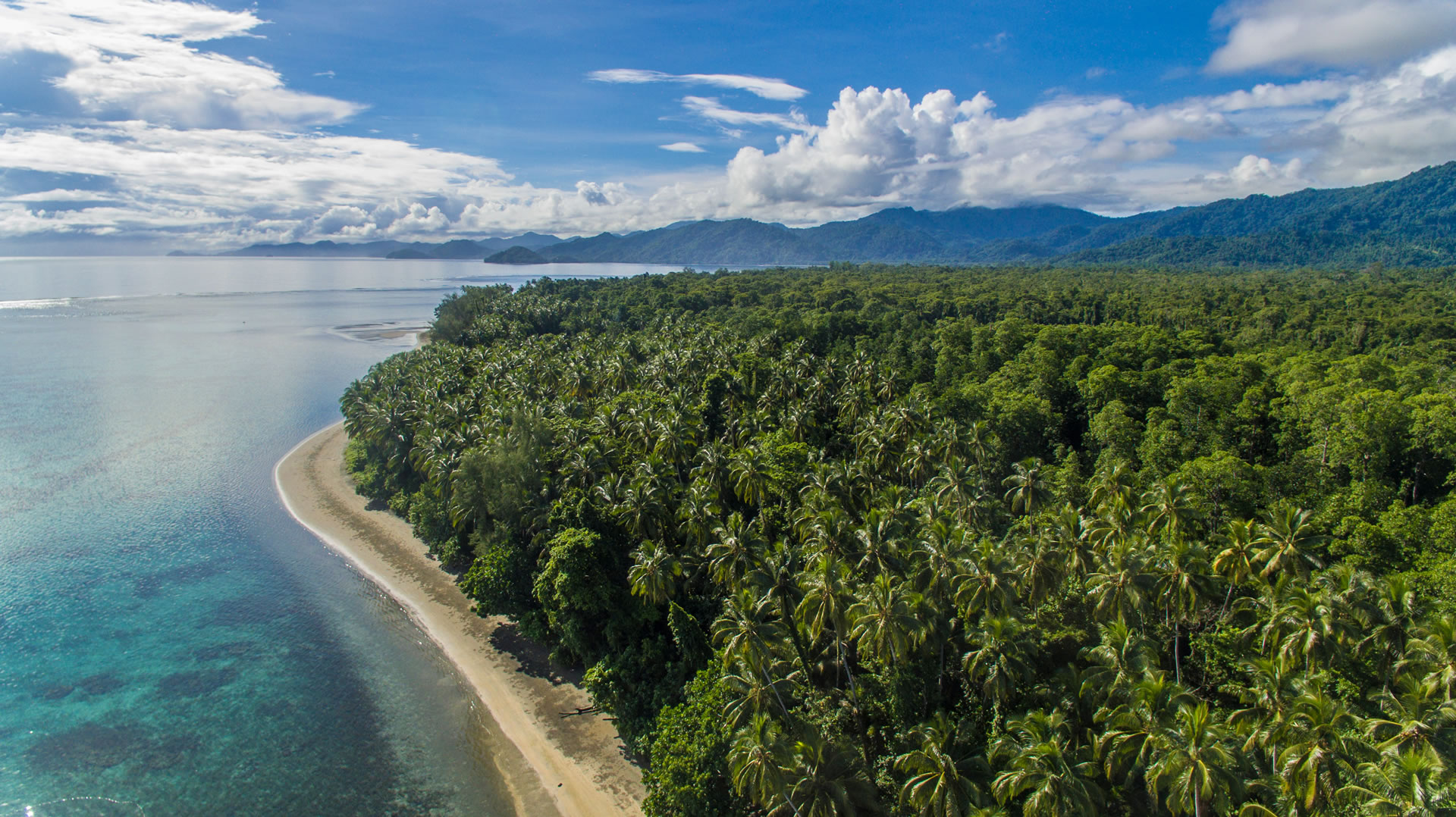
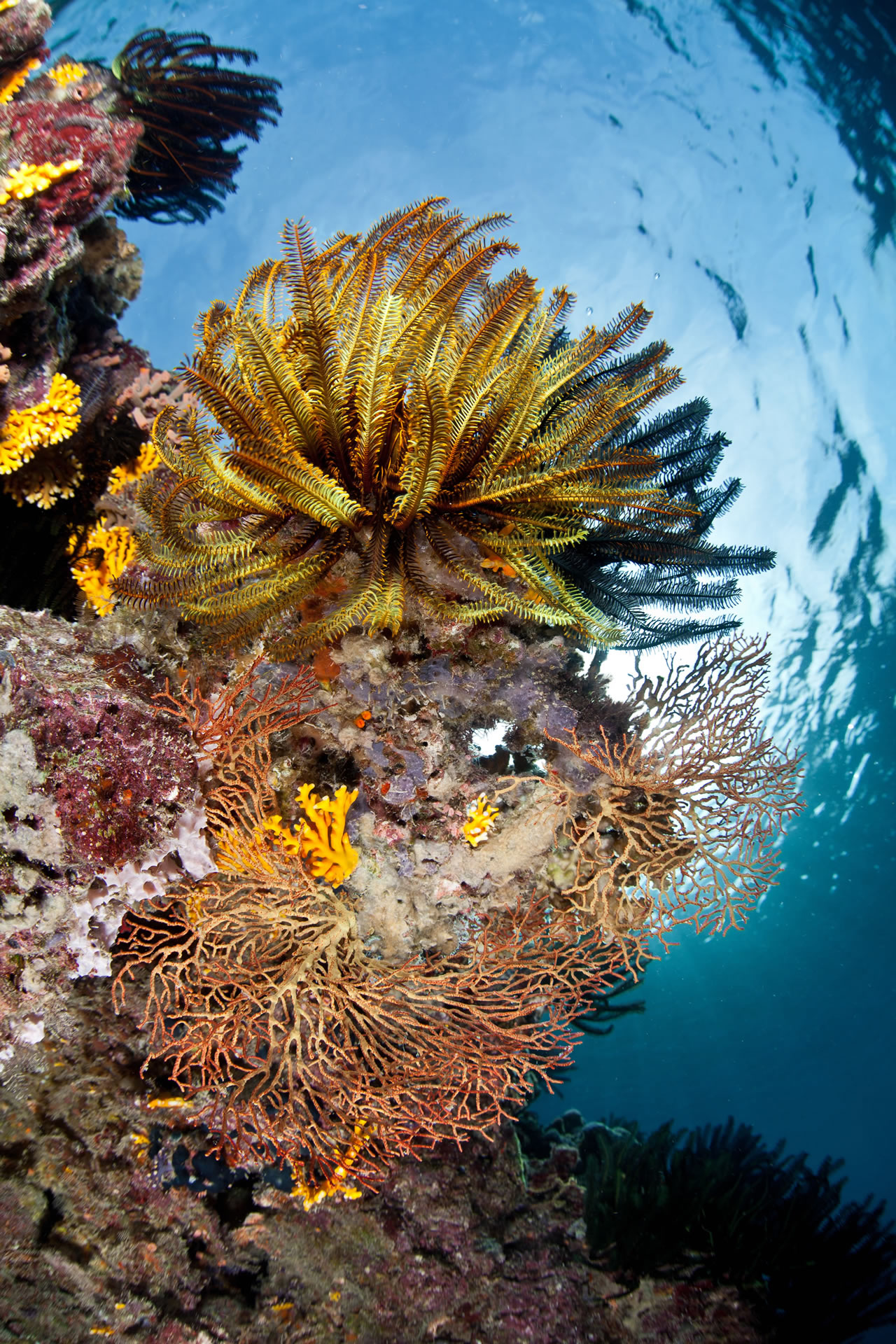
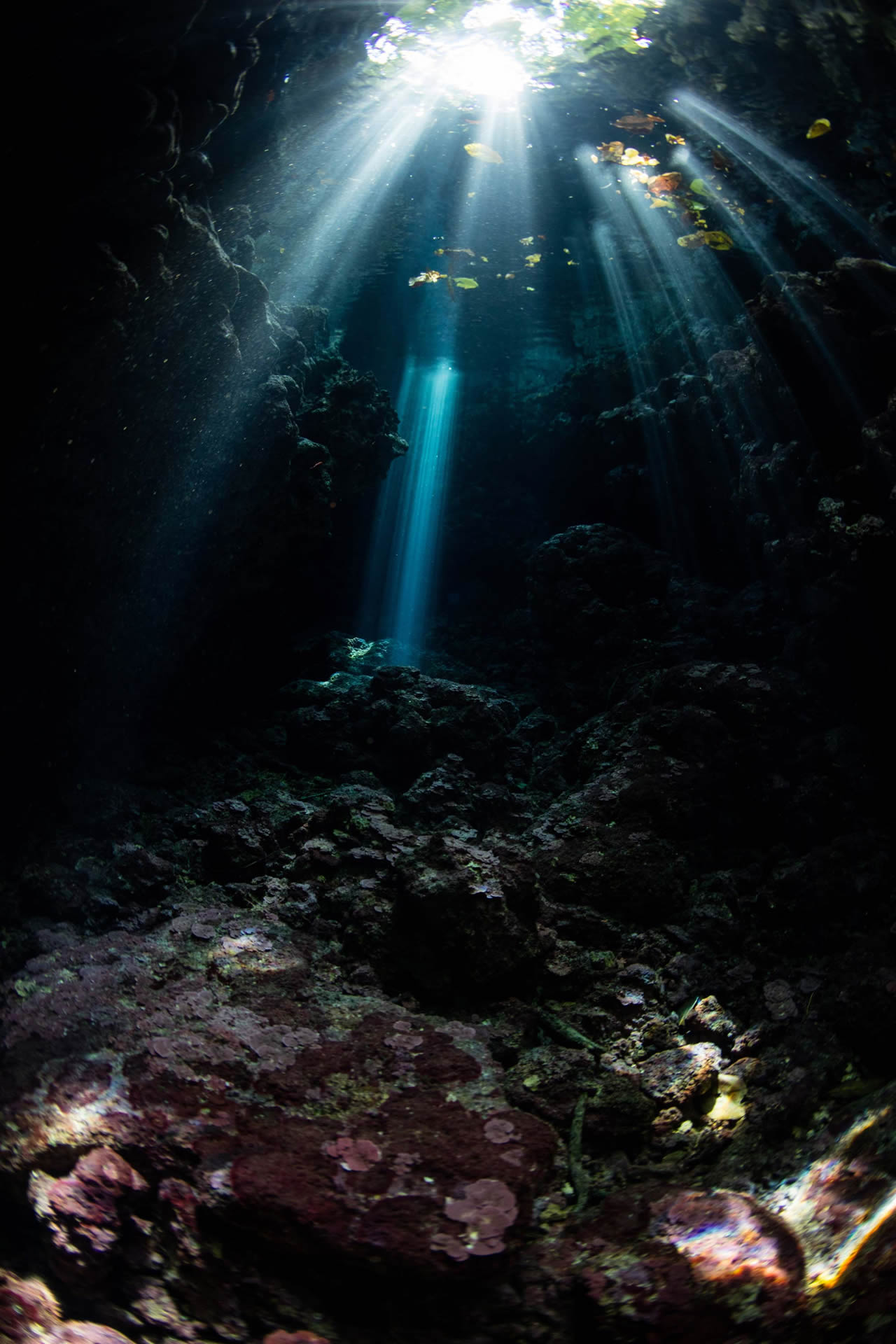
The Solomon Islands are one of the South Pacific’s most unspoilt liveaboard diving destinations, offering pristine reefs, dramatic underwater topography, and some of the region’s most historically significant wreck dives. Situated within the Coral Triangle, this remote archipelago comprises hundreds of lush, jungle-covered islands surrounded by crystal-clear lagoons, fringing coral reefs, and nutrient-rich waters that support thriving marine life. Join one of Master Liveaboards Solomons itineraries and indulge yourself in true picture postcard scuba diving.
The Solomon Islands are one of the South Pacific’s most unspoilt liveaboard diving destinations, offering pristine reefs, dramatic underwater topography, and some of the region’s most historically significant wreck dives. Situated within the Coral Triangle, this remote archipelago comprises hundreds of lush, jungle-covered islands surrounded by crystal-clear lagoons, fringing coral reefs, and nutrient-rich waters that support thriving marine life. Join one of Master Liveaboards Solomons itineraries and indulge yourself in true picture postcard scuba diving.
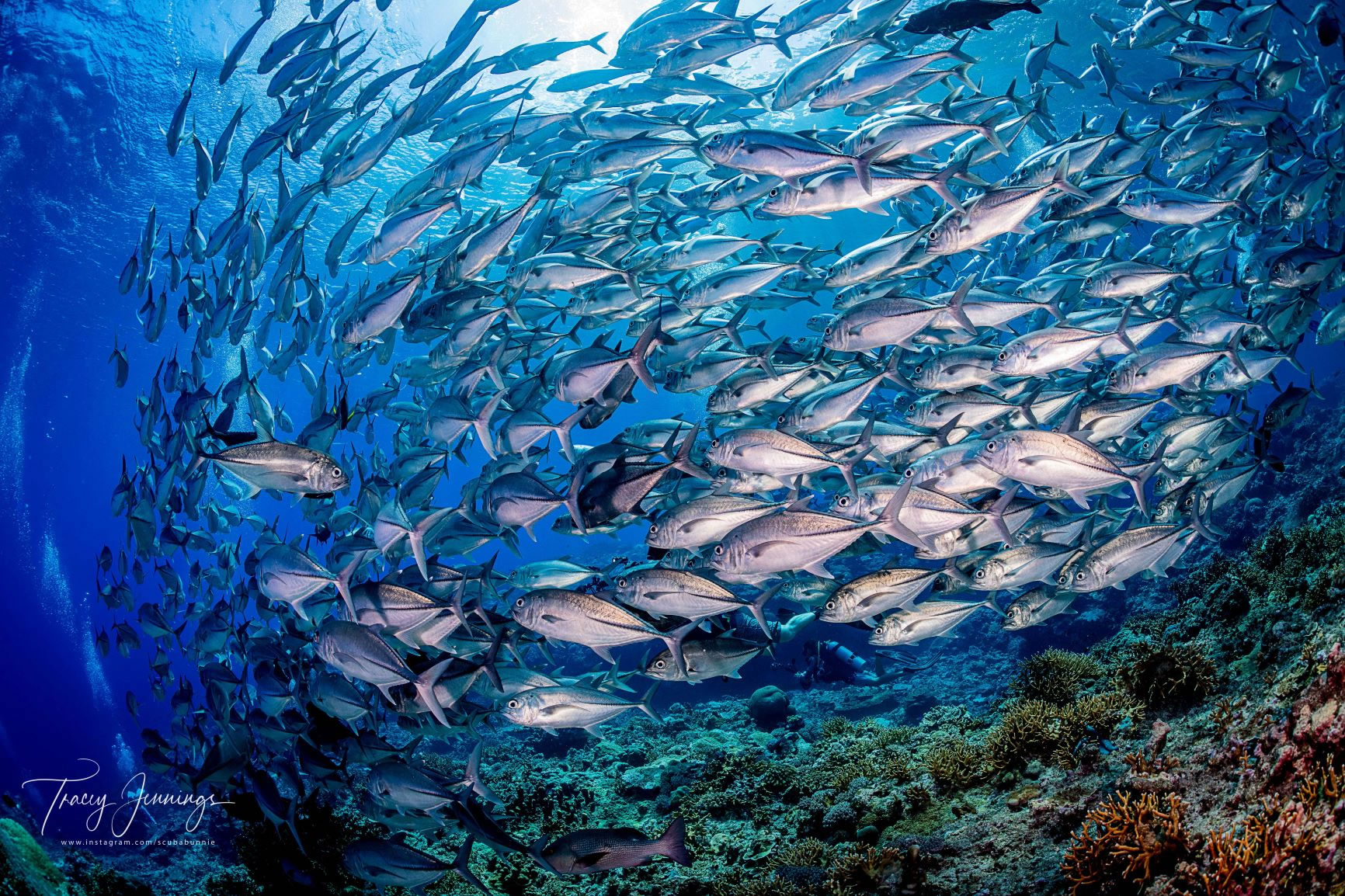
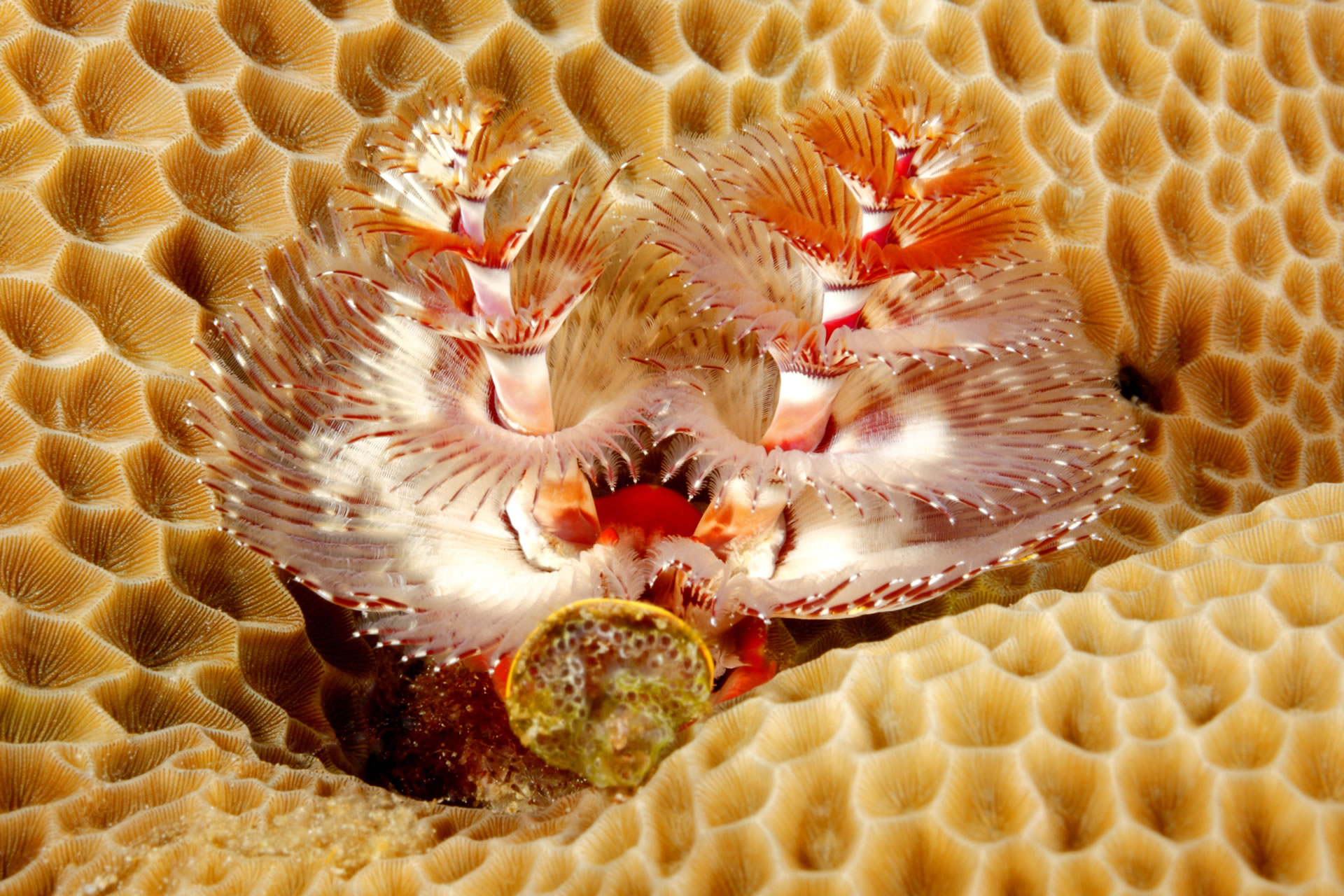
A dive trip aboard Solomons Master delivers a varied and rewarding experience in one of the South Pacific’s most species-rich regions. The itinerary combines colourful coral reefs, steep walls and distinctive underwater formations with abundant marine life, ranging from small, intricate critters to larger fish, sharks and manta rays. Several dives also offer a glimpse into the area’s wartime past, with well-preserved WWII wrecks that have become part of the surrounding reef environment. Altogether, the journey brings together biodiversity, diverse diving conditions and the sense of exploring remote locations far from heavily visited dive destinations.
For more details see the following web site FAQ`s on Solomon Masters

Arrival at Changi Airport in the morning, with onward travel to Brisbane. Upon arrival in Brisbane, transfer to the airport hotel will be provided.
An early start to the day for the final leg of the journey to the Solomon Islands and the capital, Honiara.
On arrival, transfer into Honiara will be provided, and we can finally relax and take a short walk around this typical Pacific town, with its interesting mix of Chinese shops and small local cafés. If the Yacht Club is still operating, we will likely stop by this old local watering hole.
The rest of the evening is at your leisure.
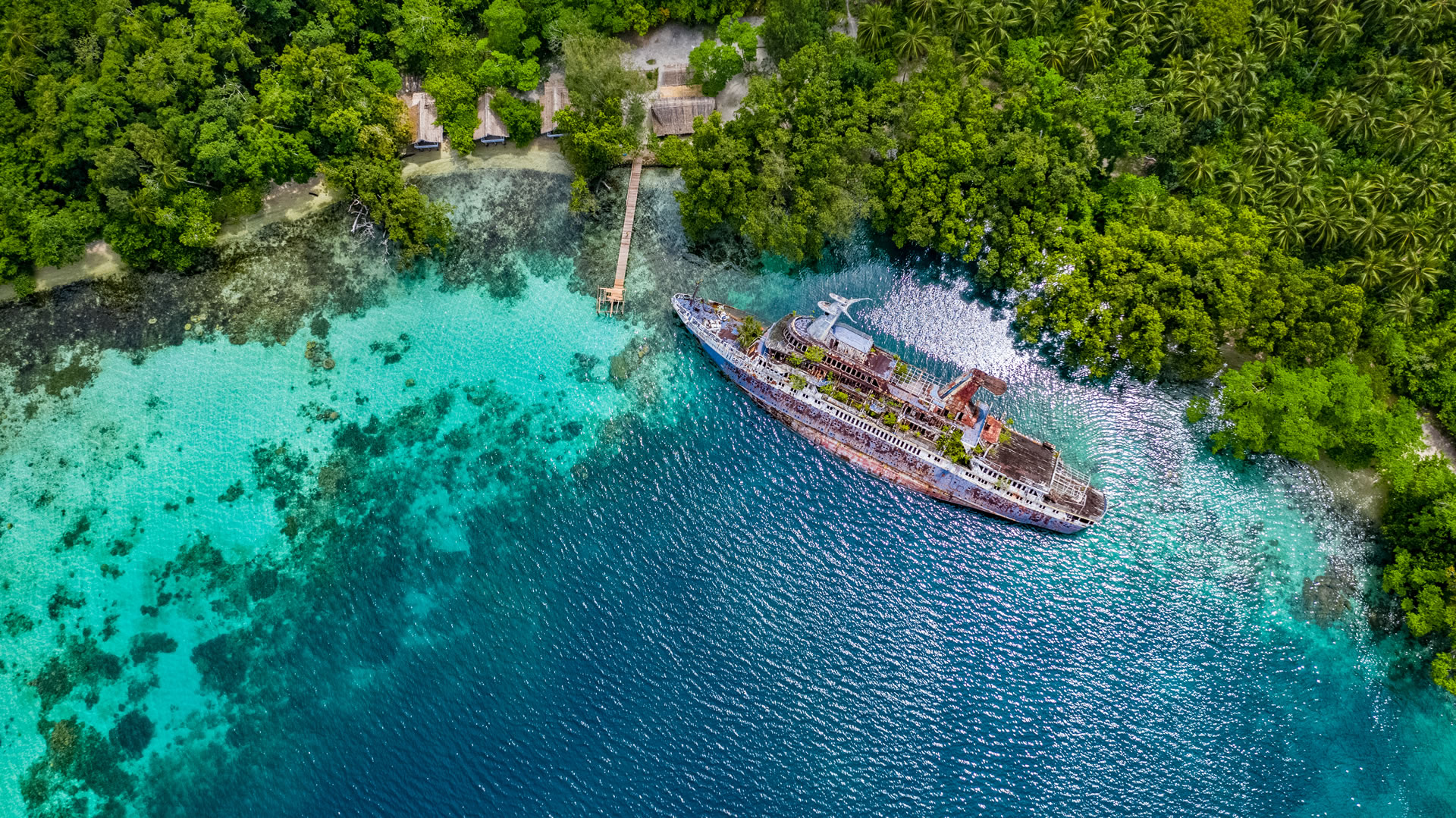
Free day in Honiara, with opportunities to get into the water and take a closer look at some of the wrecks in what is often called the “world’s graveyard of shipwrecks.” Guadalcanal was the scene of some of the fiercest fighting of World War II, and large parts of the Japanese merchant fleet, along with several warships, were sunk and now lie (in some cases at great depth) in the area known as Iron Bottom Sound.
For those who prefer to stay on land, there are plenty of interesting excursions available, many of them linked to the Solomon Islands’ history during World War II.
Diving in Guadalcanal’s Iron Bottom Sound
Iron Bottom Sound, just offshore from Honiara, is one of the most historically significant dive areas in the world. During the brutal naval battles of 1942–43, dozens of Japanese and Allied ships and aircraft were lost here. Today, the area offers wreck diving that combines powerful history with rich marine life and generally calm conditions, making it accessible to recreational divers.
Several well-known wrecks can be dived without exceeding 30 metres, making them suitable for advanced open water divers and experienced recreational divers:
Visibility is typically moderate, marine life is abundant, and many dives combine coral growth, schooling fish, and intact wreck features in the same site. Diving here is as much about atmosphere and history as it is about underwater scenery.
Two Days of Land-Based Sightseeing in Honiara
If you have two days in Honiara without diving, there are several rewarding excursions that provide insight into both the country’s history and everyday life.
Guadalcanal War Sites Tour
A guided WWII history tour is highly recommended. Highlights usually include:
Vilu War Museum, with aircraft wreckage, vehicles, weapons, and detailed explanations from local guides
American War Memorial on Skyline Ridge, offering panoramic views over Honiara and Iron Bottom Sound
Former battlefields, bunkers, and defensive positions around Henderson Field
This gives strong historical context to everything you see both on land and at sea.
Honiara Markets and Local Life
A visit to the Central Market provides a vivid introduction to daily life. Stalls are filled with tropical fruit, vegetables, fresh fish, and handmade crafts. Nearby Chinatown reflects the city’s cultural mix and is worth a short walk.
Mataniko Falls and Inland Villages
A half-day excursion to Mataniko Falls, just outside the city, offers an easy nature experience combined with visits to traditional villages. Local guides often share stories about customs, culture, and community life.
Optional second-day extensions
If logistics allow, consider:
A boat trip to nearby islands for beaches and snorkelling
A visit to traditional cultural villages for dance performances and storytelling
Bonegi Beach, where visible wreck remains lie directly offshore and can be seen from land
If you would like, I can also adapt this text for brochure format, website use, or shorten it for marketing purposes.
Breakfast and free time until you are transferred to the Solomon Masters. Optional tours of Guadalcanal is possible.
General itinerary outline
Over the course of 9 days, you can expect to spend a total of 5 days diving at various locations around the Florida and Russell Islands, 2 days in Marovo Lagoon, 1 day at Mary Island, and 1 diving around Guadalcanal.
The order in which each area is visited, and how many dives are offered at each location are determined by a variety of factors and may vary from one trip to the next.
Your cruise director will schedule up to 4 dives a day: 3 day dives followed by either an afternoon land visit, a sunset dive or a night dive (if cruising schedules allow), typically scheduled as follows:
*On days where island visits are arranged, dives 3 and / or 4 may not be possible
**A night dive may be offered on selected days, but is not guaranteed
Embarkation
Solomons Master will cruise overnight to the location of the following day's first dive.
Description; Solomon Masters
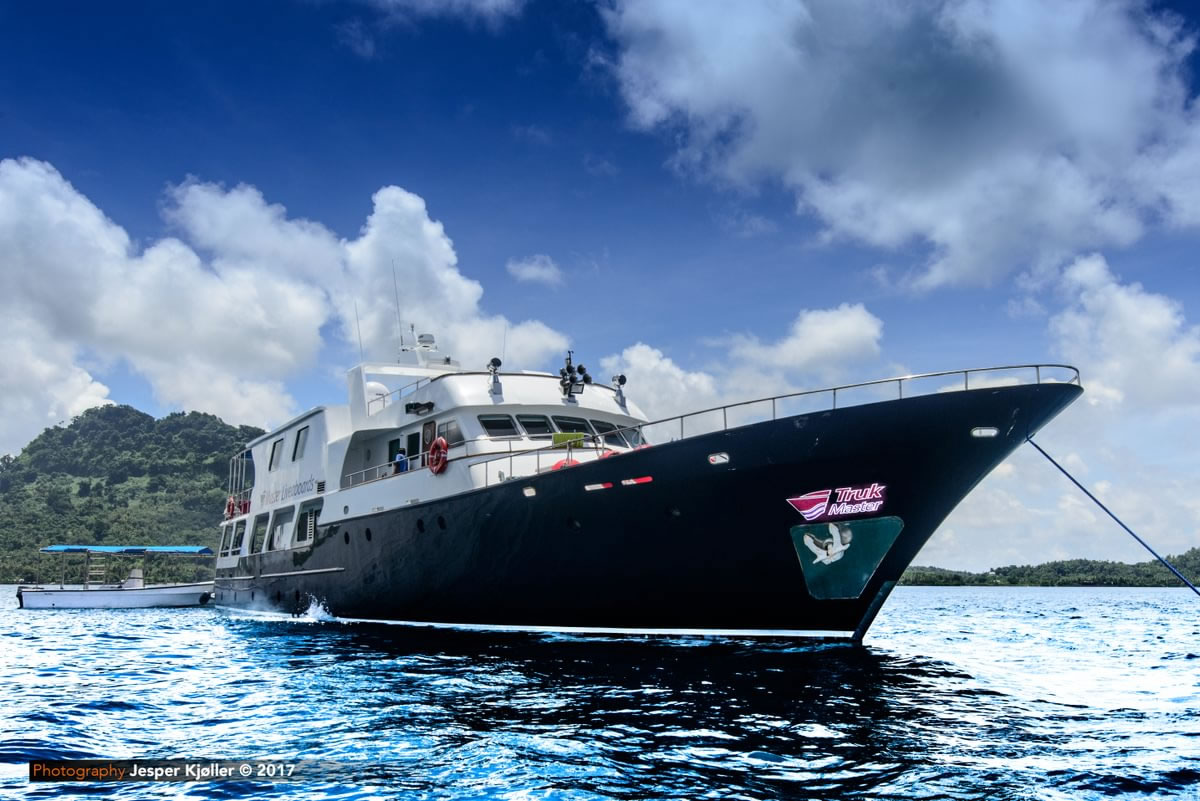
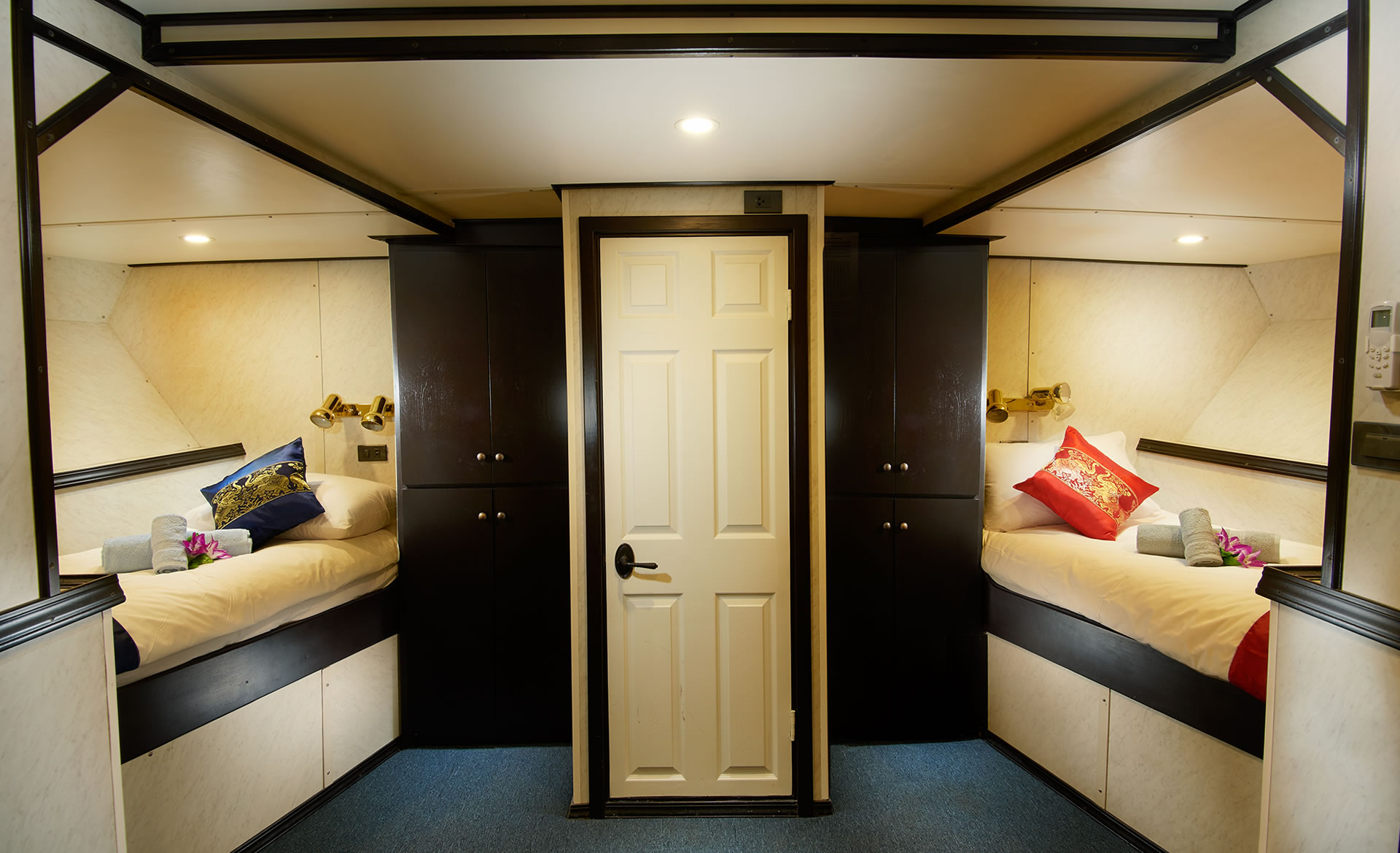
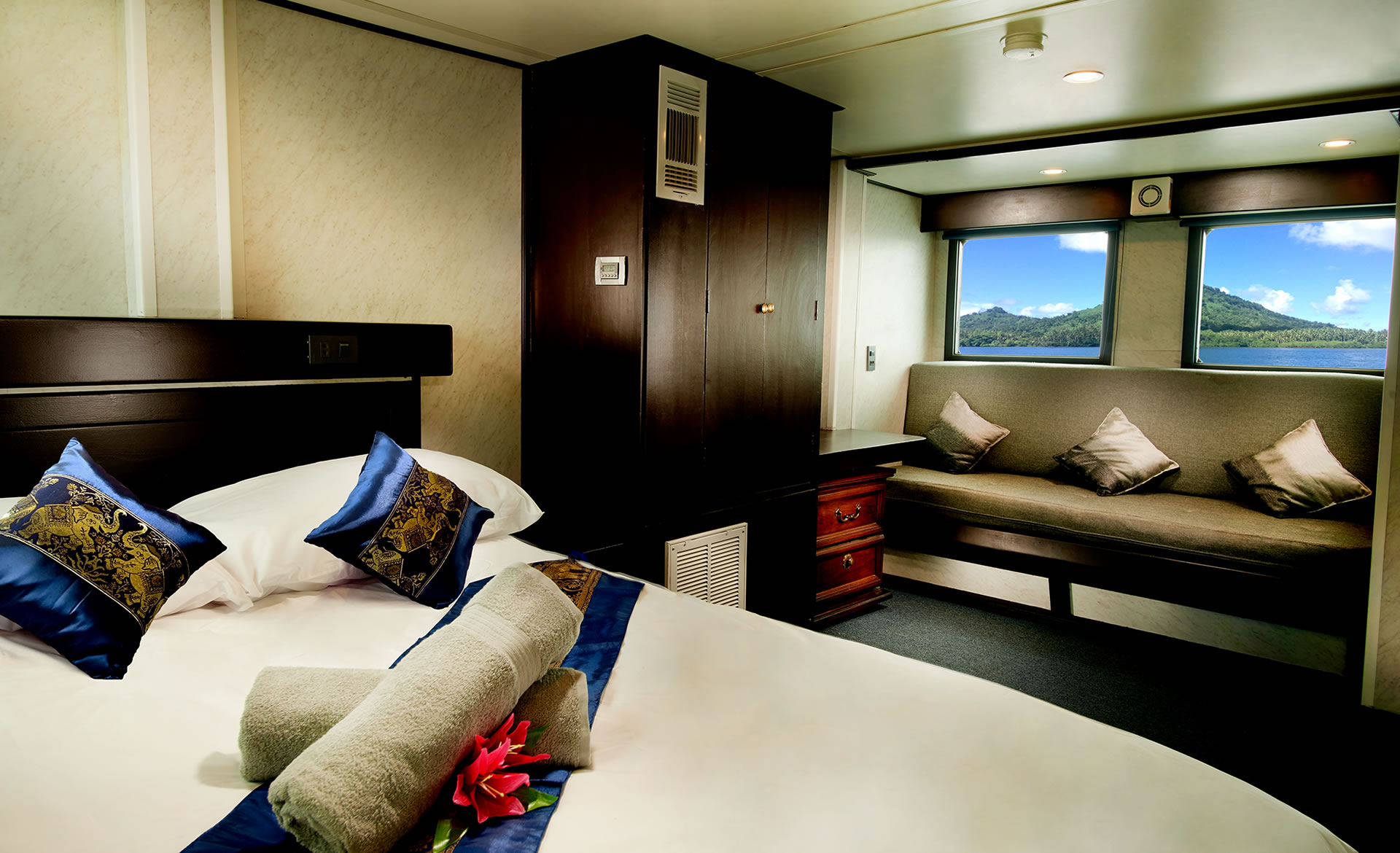
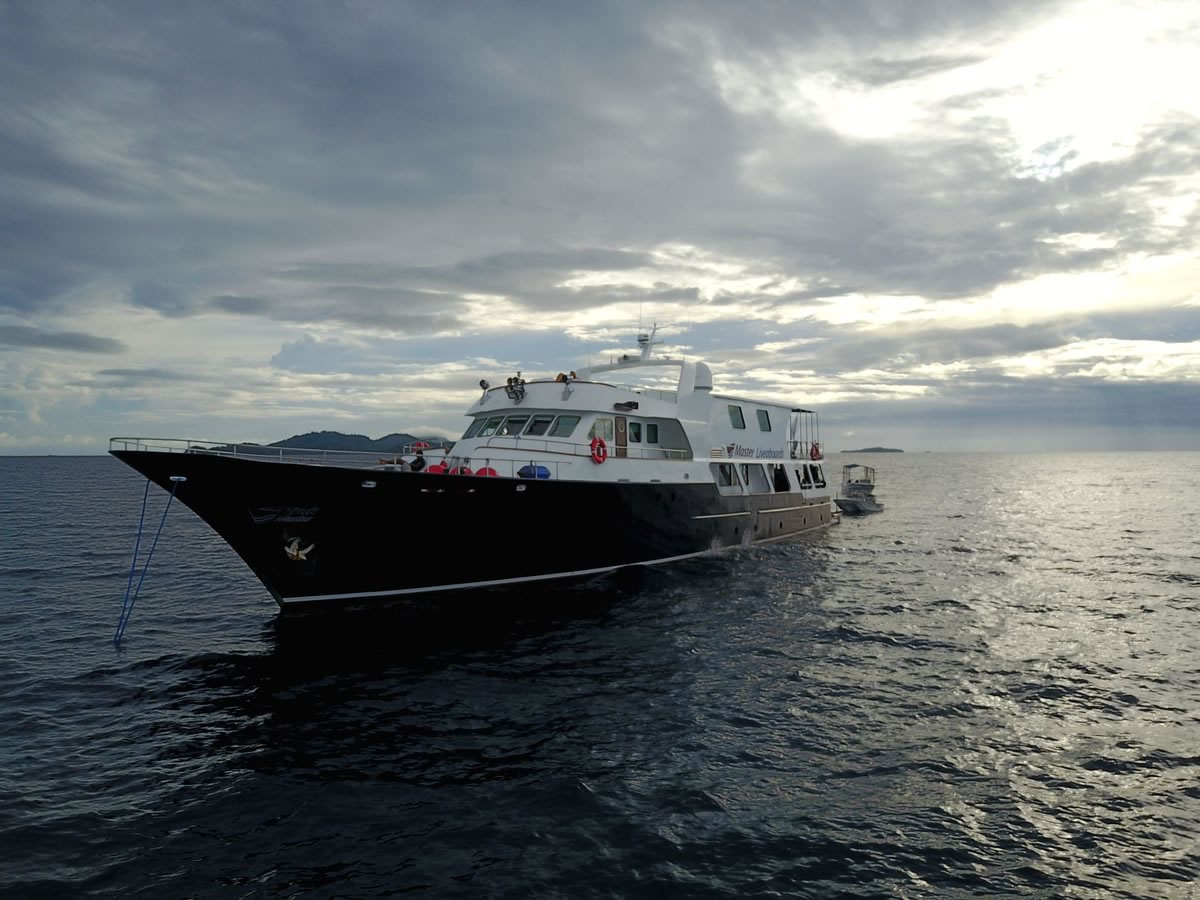
The steel-hulled Solomons Master (formerly Truk Master) boasts eight double occupancy cabins providing comfortable accommodation for up to 16 guests with a choice of classic, premium or superior cabins, each benefiting from private, en-suite bathroom facilities and individually controlled air-conditioning.
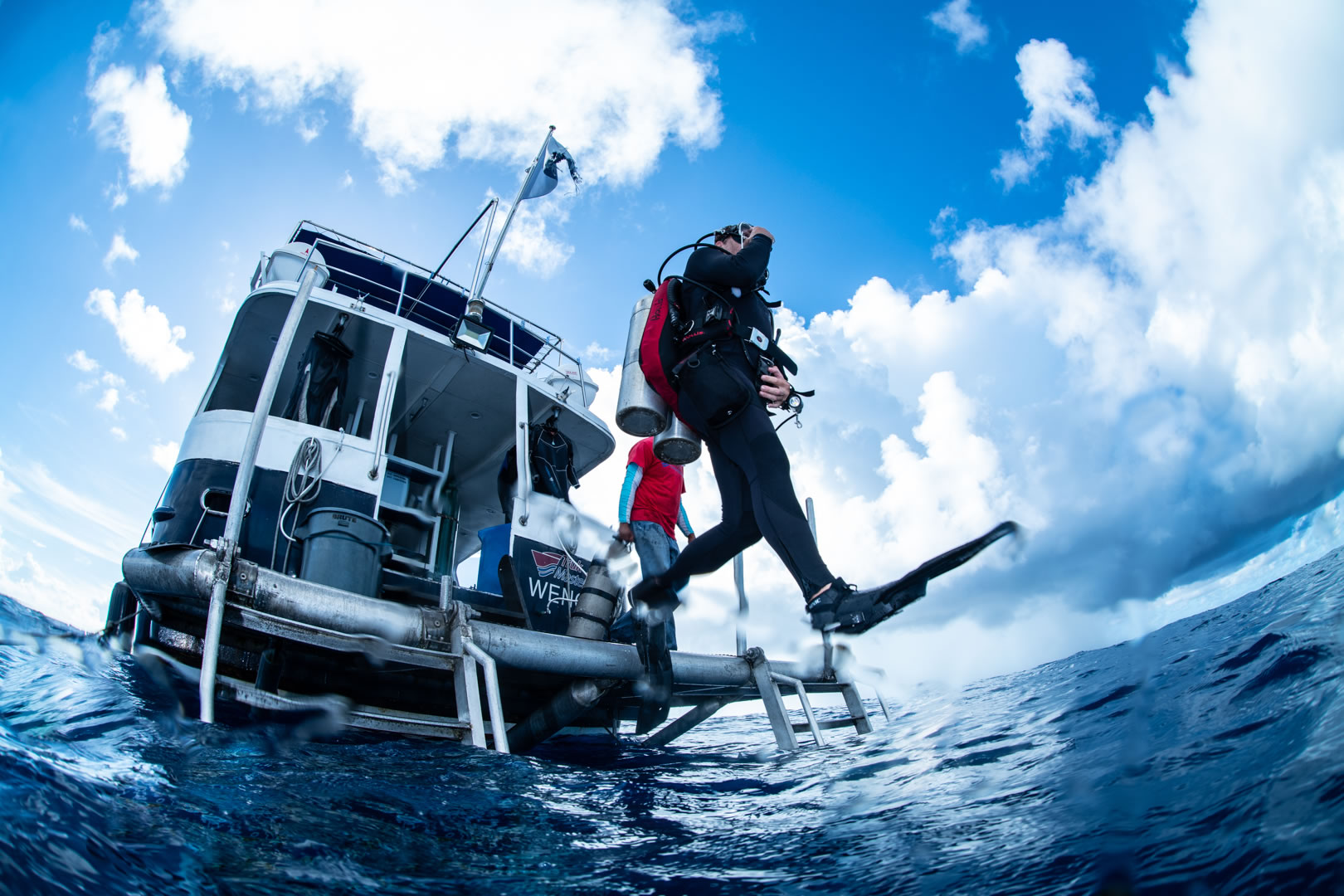
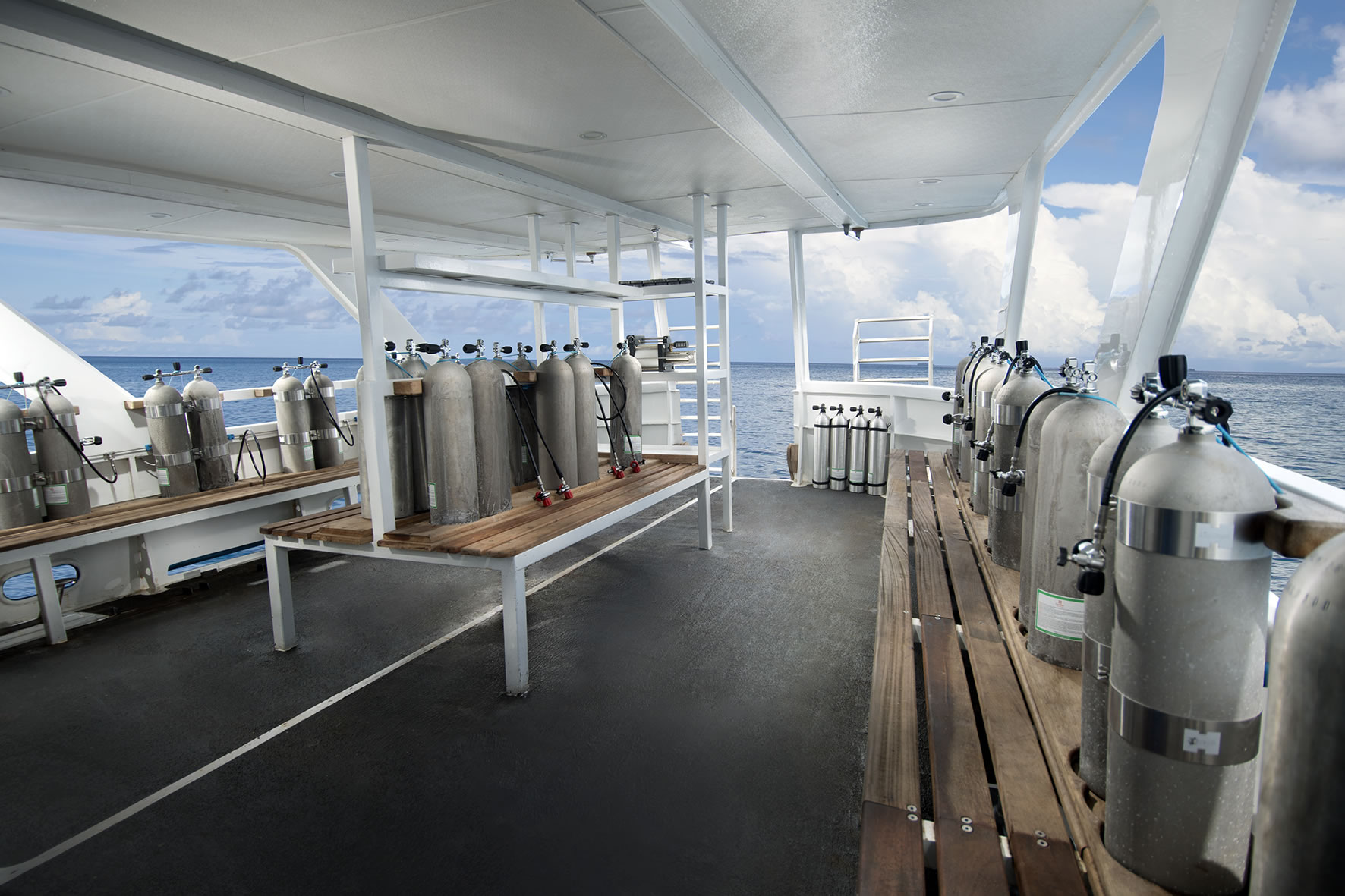
Solomons Master is fully equipped to cater for recreational, technical and rebreather divers and has a large, spacious dive deck with individual set-up stations, under-bench storage and a platform with ladders at the rear.
Type: Motor yacht
Built / Renovated: 1974 / 2025
Material: Steel
Length / Width / Draft: 39 / 7 / 3 m
The Florida Islands, also known as the Nggela Islands, lie just a short boat ride from Honiara and offer some of the most varied and historically rich diving in the Solomon Islands. Here you can combine healthy reefs, dramatic walls, WWII wrecks and lively fish action, often with very few other divers in the water.
What you can expect to see
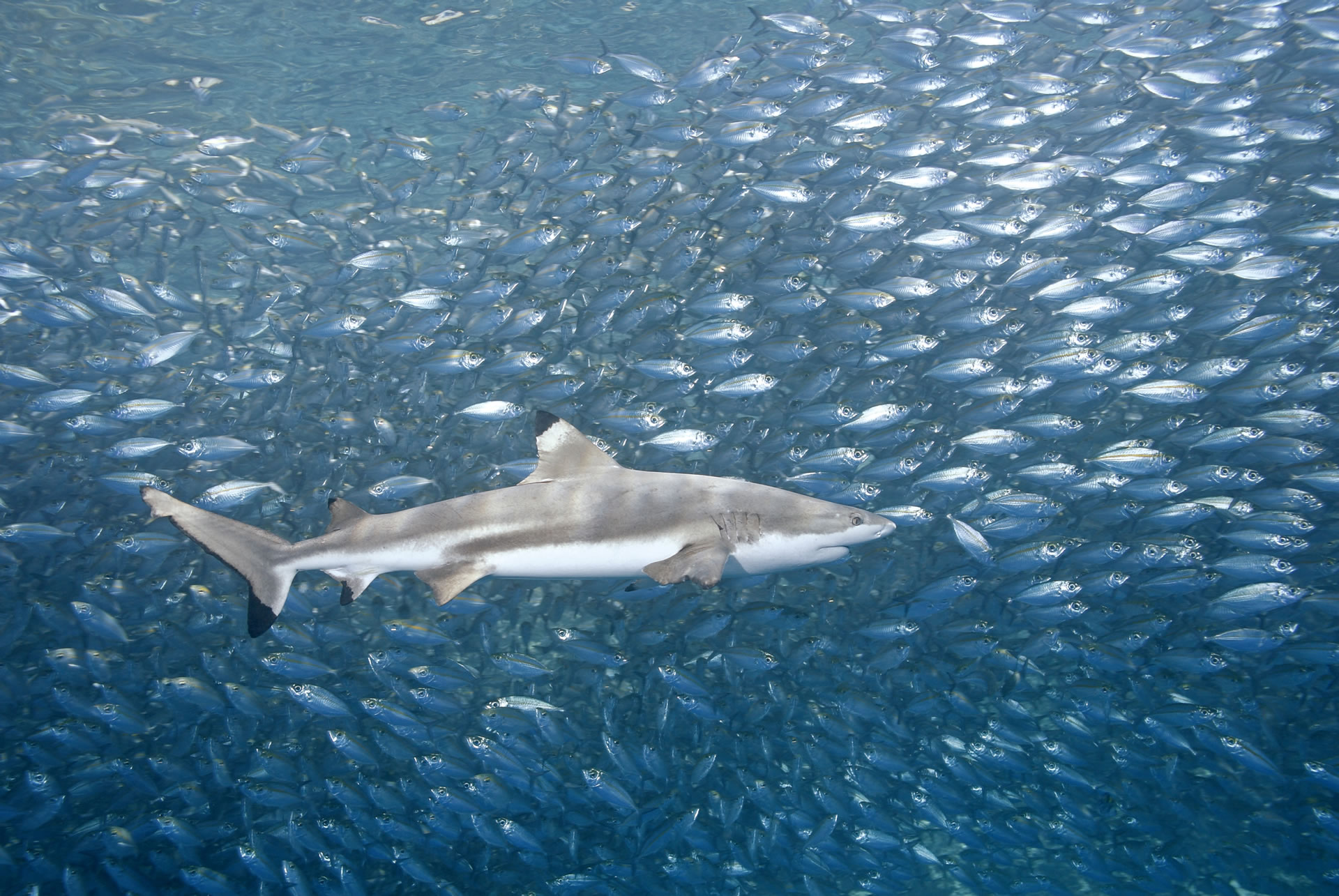
Diving around the Florida Islands delivers a broad mix of marine life and underwater landscapes. Coral reefs are dense and colourful, with large barrel sponges, sea fans and hard coral formations creating plenty of structure. Reef fish are abundant, including schools of barracuda, trevally and snapper, while turtles are common on many sites. Sharks are frequently seen, especially grey reef and whitetip reef sharks. Macro enthusiasts will also find nudibranchs, shrimp and other small critters tucked into the reef.
A major highlight is the concentration of WWII wrecks around Tulagi, Gavutu and Tanambogo. These include aircraft, landing craft and cargo ships, many of which are now heavily encrusted with coral and home to thriving marine life.
Types of diving
The Florida Islands are well suited for divers who enjoy variety. Expect a mix of:
Most dives are done from boats, and sites are typically reached within 20–60 minutes from shore.
Currents and conditions
Currents are a key feature in parts of the Florida Islands and can range from mild to strong, especially in channels between islands. Many of the best fish encounters happen on these current-affected sites, making experience with drift diving an advantage. Dive operators usually plan dives around tides to keep conditions manageable. Visibility is generally good, often between 20–30 metres, and water temperatures are warm year-round.
Best dive sites
The Florida Islands stand out for their combination of vibrant reefs, historical wrecks and low diver traffic. Add warm water, consistent visibility and the feeling of exploring sites that remain largely untouched, and it’s easy to see why this area is a strong choice for divers looking beyond the more crowded destinations in the Pacific.
Diving in the Florida Islands is defined by contrast and diversity. Within a relatively small area, you move from calm coral gardens to exposed points, from shallow wrecks to deep walls, and from quiet lagoon dives to current-fed channels full of movement. This variety makes the area appealing both for extended dive stays and as a complement to diving elsewhere in the Solomon Islands.
Reefs are generally in excellent condition, with a high percentage of hard coral and large sponge growth. Fish biomass is impressive, especially around points and drop-offs where currents deliver nutrients. Expect regular encounters with reef sharks, schools of jacks and barracuda, as well as bumphead parrotfish and large groupers on deeper sections of the reef. Pelagic sightings are not guaranteed on every dive, but when conditions line up, the action can be intense.
Macro life adds another layer to the experience. On slower dives or protected sites, divers can focus on nudibranchs, flatworms, ghost pipefish and a wide range of crustaceans, making the Florida Islands a destination that works equally well for wide-angle and macro photography.
Wreck diving and WWII history
The Florida Islands played a central role during World War II, particularly around Tulagi, Gavutu and Tanambogo. As a result, the area offers some of the most accessible wreck diving in the Solomons. Many wrecks lie in recreational depths and are suitable for divers with limited wreck experience.
Aircraft remains, landing craft and cargo vessels are scattered across the seabed, often partially broken up and heavily colonised by coral and sponges. These wrecks now function as artificial reefs, attracting schools of fish and providing shelter for moray eels, lionfish and reef sharks. For divers interested in history, few places combine such clear historical context with lively marine ecosystems.
Currents, conditions and experience level
Currents are a defining factor in the Florida Islands. Channel dives and exposed points can experience strong flow, particularly around changing tides. These sites are often where fish life is most concentrated, but they require good buoyancy control and situational awareness. Drift diving is common, and dives are planned carefully around tidal movements.
Sheltered sites and lagoon areas offer calmer conditions, making it possible to balance more demanding dives with relaxed reef exploration. Water temperatures typically range from 27–29°C, and visibility is often good, especially outside periods of heavy rain.
The islands above the surface
Above water, the Florida Islands offer a glimpse into everyday life in the Solomon Islands. The islands are largely rural, with small villages, coconut plantations and forested interiors. Tourism infrastructure is limited, which adds to the sense of visiting a place that remains largely unchanged by mass tourism.
Tulagi, once the British colonial capital, still carries visible traces of its past, with remnants of colonial buildings and wartime installations. Between dives, time is often spent exploring quiet beaches, visiting local communities or simply enjoying the slow pace of island life.
Why spend more time in the Florida Islands?
The Florida Islands reward divers who take their time. With a balance of energetic dives, historical wrecks and calmer reef sites, the area offers depth and variety rather than a single headline attraction. Combined with welcoming local communities and minimal diver traffic, this is a destination well suited to those who value exploration, history and diverse underwater environments in one compact region.
The Florida Islands, locally known as the Nggela Islands, form a compact island group just north of Guadalcanal. The group consists of more than 40 islands and islets, dominated by the two large main islands, Nggela Sule and Nggela Pile, with numerous smaller limestone islands scattered around them. Narrow channels and sheltered lagoons separate the islands, creating a varied seascape that strongly influences local diving conditions.
Topographically, the islands are largely raised limestone formations with irregular coastlines, steep shorelines in places and extensive fringing reefs. Inland, the terrain is gently hilly rather than mountainous, covered with forest, coconut groves and small-scale agriculture. The absence of major rivers means less sediment runoff than in some other parts of the Solomon Islands, helping to maintain clear water and healthy reef systems.
How island topography shapes the diving
The physical layout of the Florida Islands is a key reason for the diversity of diving in the area. The many channels between islands act as natural funnels for tidal movement, producing nutrient-rich currents that attract schooling fish and predators. These same channels often feature steep walls, drop-offs and coral-covered slopes, making them prime dive sites.
Along the outer edges of the island group, reefs are more exposed to open ocean conditions. Here you’ll find dramatic walls, points and ridges with stronger currents and higher fish density. Inside the lagoons and protected bays, the seabed slopes more gently, with coral gardens, bommies and sandy patches that support macro life and relaxed diving.
Reef structure and underwater landscapes
Underwater topography around the Florida Islands includes:
This variety allows dive operators to select sites based on conditions, diver experience and interests on any given day.
Wrecks and seabed features
The sheltered waters around Tulagi, Gavutu and Tanambogo provided natural anchorages during World War II, which is why many wrecks are found in these areas. The relatively calm conditions and shallow depths have preserved these sites well, and over time they have blended into the reef environment. Wrecks often sit on sandy bottoms near reef edges, adding another dimension to the local topography and expanding the range of dive profiles available.
A destination built for exploration
From a diving perspective, the Florida Islands feel purpose-built for exploration. The combination of dozens of islands, complex reef systems and current-fed channels creates constant variation. One dive might focus on a sheltered coral slope with fine detail, while the next is a faster-paced drift along a point with schools of fish moving through blue water.
This interplay between island geography and underwater terrain is what gives the Florida Islands their depth as a dive destination, offering consistent interest over multiple days without repetition.
The Russell Islands lie west of Guadalcanal and are regarded as one of the most consistent dive areas in the Solomon Islands. The region combines striking underwater terrain, clear water and a wide spread of dive sites within short boat rides. Compared to areas closer to Honiara, the Russell Islands feel more remote and focused on diving, with limited development and very little boat traffic.
The islands and their topography
The Russell Islands consist of around 20 islands, with Mbanika and Pavuvu being the two largest. The islands are of raised limestone origin, giving them rugged coastlines, steep cliffs, caves and narrow inlets. Inland terrain is low and forested, while the shoreline alternates between rocky edges, small beaches and mangrove-lined bays.
This limestone structure continues underwater and is a defining feature of the local diving. Expect sharp drop-offs, caverns, tunnels and swim-throughs, as well as walls that descend rapidly into deep water. The lack of large rivers keeps sediment levels low, contributing to reliable visibility throughout much of the year.
What you can expect to see
Marine life in the Russell Islands is diverse and well distributed across reef types. Hard coral coverage is strong, with large coral heads, plate corals and branching formations. Soft corals, sponges and sea fans are especially prominent on walls and shaded areas.
Fish life includes schools of snapper, fusiliers and jacks, along with barracuda and batfish. Reef sharks—mainly grey reef and whitetip—are common, and eagle rays are regular sightings on deeper sections of the reef. Turtles are frequently encountered, particularly on calmer reef slopes.
Macro life is another highlight. Nudibranchs, leaf scorpionfish, shrimp and crabs are easy to find on slower dives, making the area attractive for underwater photographers who enjoy detail-focused diving as much as wide-angle scenes.
Types of diving
The Russell Islands offer a broad mix of dive styles:
Most dives are done from small boats, with many sites reachable within 10–30 minutes.
Currents and conditions
Currents in the Russell Islands are generally moderate, though they can become stronger around headlands and channel entrances, especially during tidal changes. These current-affected sites often deliver the most fish activity. Dive planning is tide-dependent, and operators choose sites carefully based on conditions and diver experience.
Visibility commonly ranges from 20–30 metres, and water temperatures are warm year-round, typically between 27–29°C. Conditions are suitable for both intermediate and advanced divers, with calmer sites available for less experienced guests.
Best dive sites
Why dive the Russell Islands?
The Russell Islands stand out for their combination of limestone-driven underwater landscapes, reliable conditions and compact geography. With many high-quality sites close together, divers can experience a wide range of environments without long travel times. Add low diver numbers and a strong sense of exploration, and the Russell Islands remain one of the most rewarding dive regions in the Solomon Islands for those looking for depth, variation and atmosphere both above and below the surface.
Marovo Lagoon is one of the largest saltwater lagoons in the world and a standout dive region in the Solomon Islands. Located in Western Province, the lagoon stretches over a vast area enclosed by a long barrier reef, creating an exceptional range of dive environments. The scale of Marovo Lagoon alone sets it apart, offering everything from calm inner reefs to exposed outer walls with open-ocean influence.
The lagoon, islands and topography
Marovo Lagoon is bordered by two long barrier reef systems and dotted with hundreds of small islands and islets, most of them low-lying and forested. Many islands are built on coral and limestone foundations, while others are sand cays formed over time by reef growth and wave action. Inland terrain is generally flat, with mangroves, coconut groves and dense vegetation along the shorelines.
Underwater topography is equally varied. Inside the lagoon, reefs are mostly gentle slopes, coral gardens and patch reefs, ideal for extended bottom times. Toward the outer barrier reef, the seabed drops sharply into deep water, forming walls, channels and pinnacles. Passes through the barrier reef connect the lagoon to the open ocean and play a major role in shaping currents and marine life distribution.
What you can expect to see
Marovo Lagoon supports a rich mix of reef and pelagic species. Hard corals dominate many inner lagoon sites, with large table corals, branching corals and bommies creating complex reef structure. Soft corals, sea fans and sponges become more prominent on outer reef walls and shaded areas.
Fish life includes schools of fusiliers, snapper and batfish, along with bumphead parrotfish, sweetlips and large groupers. Sharks—mainly grey reef and whitetip—are common around passes and outer reefs, while eagle rays and occasional manta rays are seen where currents bring plankton-rich water. Turtles are widespread throughout the lagoon.
Macro life is plentiful on protected reefs, with nudibranchs, pipefish, shrimp and crabs providing plenty to look for on slower dives.
Types of diving
Marovo Lagoon offers one of the broadest mixes of dive styles in the Solomon Islands:
Boat travel times vary due to the size of the lagoon, but many high-quality sites are clustered near dive lodges.
Currents and conditions
Currents in Marovo Lagoon are most noticeable at passes and channels through the barrier reef. These can range from mild to strong, depending on tide and moon phase. Current-driven dives often deliver the best fish action, but dive planning is essential.
Inside the lagoon, conditions are typically calm, making it suitable for a wide range of experience levels. Visibility varies from 15–30 metres, with clearer water on outer reefs. Water temperatures remain warm year-round, usually around 27–29°C.
Best dive sites
This World Heritage Site nominee is a double barrier reef and, at more than 100 kilometres in length, is the largest saltwater lagoon in the world. Located at the eastern end of the Solomons' Western Province, the lagoon encompasses Vangunu Island and Nggatokae Island with hundreds of small islets and reefs scattered throughout.
Why dive Marovo Lagoon?
Marovo Lagoon offers scale, variety and flexibility. Few places allow divers to move so easily between calm lagoon reefs and energetic outer reef dives within the same region. Combined with low diver numbers, strong coral health and a sense of space that is hard to match elsewhere, Marovo Lagoon remains one of the most rewarding dive destinations in the Solomon Islands for those looking for depth, diversity and room to explore.
Diving in Marovo Lagoon is defined by scale and variation rather than a single signature feature. The lagoon is vast, and even after multiple days of diving, sites rarely feel repetitive. Distances between reefs, islands and passes create distinct micro-environments, each shaped by depth, exposure and water movement. This allows dive planning to be highly flexible, adapting to weather, tides and diver experience.
Inside the lagoon, dives are often slow and detail-rich. Coral gardens stretch over large areas, with layered hard corals, bommies and sandy channels forming natural swim paths. These sites are ideal for long bottom times and relaxed exploration, with constant activity from reef fish and plenty of opportunities to focus on behaviour rather than just species spotting.
Outer reef influence and open-water encounters
The outer barrier reef is where Marovo Lagoon shows a more energetic side. Here, reefs drop away sharply into deep water, and the influence of the open ocean becomes clear. Walls are decorated with large sponges, sea fans and soft corals that thrive in moving water. Fish density increases noticeably, especially near points and along current-washed sections of the reef.
Pelagic encounters are most likely on these outer sites. Grey reef sharks patrol the drop-offs, schools of jacks and barracuda move through blue water, and eagle rays are often seen cruising along the wall. On days with the right conditions, manta rays may appear near cleaning stations or passes where plankton concentrates.
Passes, channels and dynamic dives
Passes through the barrier reef are a central feature of Marovo Lagoon diving. These natural openings connect the lagoon to the ocean and act as funnels for tidal flow. Diving these areas is often dynamic and highly rewarding, with fish gathering to take advantage of the current.
Depending on tide and timing, dives in passes can be gentle or fast-paced drifts. Experienced divers are rewarded with strong visual action, while sheltered entry and exit points allow operators to manage conditions carefully. These sites often combine dramatic topography with high fish biomass, making them among the most memorable dives in the lagoon.
Macro life and photography
While Marovo Lagoon is well known for wide-angle scenes, it also delivers strongly for macro enthusiasts. Sheltered lagoon reefs and sandy slopes are home to nudibranchs, pipefish, leaf scorpionfish and a wide range of crustaceans. The calm conditions inside the lagoon make it easier to slow down and focus on smaller subjects, particularly for photographers.
Light conditions vary greatly depending on depth and reef structure. Shallow coral gardens offer bright, even lighting, while outer walls and overhangs create contrast and depth, adding another creative dimension to photography.
Diving pace and overall experience
One of the defining characteristics of Marovo Lagoon is the unhurried pace of diving. Long surface intervals, minimal boat traffic and short distances between many sites create a rhythm that suits extended dive stays. Rather than chasing highlights, divers tend to settle into the environment, gradually discovering how different areas of the lagoon behave under changing conditions.
This balance between calm inner reefs, energetic passes and exposed outer walls makes Marovo Lagoon a destination that rewards both curiosity and patience. It is a place where diving feels expansive and varied, offering enough depth and range to remain engaging over many days in the water.
Mary Island is one of the most iconic single dive locations in the Solomon Islands. Isolated and exposed to deep ocean water, this small, uninhabited island is visited primarily for diving rather than for its land-based features. Its position far from large landmasses makes it a magnet for pelagic life and a favourite among experienced divers seeking high-energy dives.
The island and its topography
Mary Island is a steep-sided volcanic seamount that rises abruptly from deep water. Above the surface, it appears as a compact, rocky island with minimal vegetation and no permanent settlement. Below the surface, the structure becomes far more dramatic.
Underwater topography is defined by near-vertical walls, sharp ridges and terraces that drop quickly into the blue. There are very few shallow reef flats; instead, the reef edge begins almost immediately and descends rapidly. This creates a true open-ocean diving environment where depth, exposure and current all play a role in shaping the experience.
What you can expect to see
Mary Island is best known for its large fish action and pelagic encounters. Schools of barracuda, jacks and trevally are common, often moving in tight formations along the walls. Grey reef sharks are frequently seen, and sightings of hammerhead sharks are a major draw, particularly at depth.
Other regular encounters include tuna, dogtooth tuna, rainbow runners and occasional eagle rays. Reef life is present but secondary to the pelagic focus. Hard corals and encrusting growth cling to the walls, with sponges and soft corals appearing where current and light allow.
Macro life exists but is not the main reason divers visit Mary Island. This is a site built for wide-angle diving and open-water awareness.
Types of diving
Diving at Mary Island is generally advanced and highly conditions-dependent. Typical dive styles include:
Dives are usually conducted as single-site excursions due to the island’s isolation and exposure.
Best dive sites
This small, uninhabited island is notable for an underwater point that commonly hosts schools of barracuda and trevally. Explore the cuts and caverns behind Jack Point or the Coral Gardens right below the boat.
Currents and conditions
Currents are a defining feature of Mary Island. The island sits directly in oceanic flow, and currents can be strong, unpredictable and multi-directional. Downcurrents and upwellings are possible, especially along steep walls and points.
Because of this, Mary Island is best suited to confident divers with good buoyancy control, situational awareness and experience in current. Dive operators assess conditions carefully, and dives are only conducted when currents are within safe limits. Visibility is often excellent, frequently exceeding 30 metres, adding to the sense of space and scale.
Best dive areas around Mary Island
Mary Island is typically dived as a single circuit or selected section rather than named individual sites. Key features include:
The exact dive profile often changes depending on current direction and strength.
Why dive Mary Island?
Mary Island is not about variety or relaxed exploration. It is about intensity, scale and anticipation. The combination of deep-water exposure, strong currents and open-ocean influence creates a dive that feels raw and powerful. For divers seeking memorable pelagic encounters and a true blue-water experience in the Solomon Islands, Mary Island stands out as a destination that delivers when conditions align.
A second look at the Russell Islands often reveals why many divers consider this area one of the most complete dive regions in the Solomon Islands. Beyond the headline sites and well-known caverns, the real strength of the Russells lies in how consistently good the diving is across a wide range of locations, with subtle changes in structure and conditions keeping each dive distinct.
Limestone formations and light-driven dives
The limestone origin of the islands continues to shape dives in ways that become more apparent over time. Many sites feature layered walls and terraces, where depth changes in steps rather than a single drop-off. These formations create natural ledges for fish and produce shifting light patterns throughout the day, particularly on late-morning and afternoon dives.
Caves and caverns are not isolated features but part of interconnected reef systems. On calmer days, it’s possible to explore multiple swim-throughs on a single dive, moving between shadowed spaces and open reef. This interplay between light, structure and open water adds a strong visual element that rewards repeat dives.
Reef health and fish behaviour
One detail that stands out on return visits is fish behaviour rather than sheer numbers. Schools of snapper and fusiliers often hold position along reef edges, while larger predators patrol predictable routes along walls and points. Grey reef sharks are frequently seen cruising just off the reef, especially where currents brush the limestone edges.
In sheltered areas, coral growth is particularly dense, with mature hard corals forming complex shapes that support a wide variety of smaller species. These sites are ideal for slower dives focused on observation rather than distance covered.
Less-visited sites and exploration potential
While sites like Leru Cut attract most of the attention, the Russell Islands offer many lesser-known dives that are dived infrequently. These include unnamed walls, small offshore rocks and isolated reef sections that receive minimal pressure. Such sites often feel exploratory, with intact coral, relaxed fish life and no obvious entry or exit points beyond the reef itself.
This abundance of quality secondary sites makes the Russells especially suitable for longer stays, as dive operators can rotate locations and avoid repeating the same profiles.
Conditions over multiple days
Over several days of diving, the Russell Islands show how adaptable the area is to changing conditions. When currents increase, exposed points and outer walls come into focus. On calmer days, sheltered bays, slopes and cavern systems provide excellent alternatives. This flexibility reduces the likelihood of cancelled dives and helps maintain a balanced dive schedule.
Why the Russell Islands reward repeat visits
What becomes clear with additional time in the Russell Islands is that the destination is not defined by a single standout dive, but by depth and consistency. The combination of limestone-driven topography, reliable conditions and low diver numbers creates an environment where even familiar sites reveal something new on return visits. For divers who value immersion and variety over ticking off highlights, the Russell Islands continue to deliver well beyond the first impression.
Ending a 10-day dive cruise with recreational dives around Guadalcanal provides a fitting conclusion to the Solomon Islands. While the area is best known for its WWII history, the diving itself is varied and accessible, with several high-quality sites suitable for non-technical divers. These final dives tend to be well balanced, combining structure, fish life and historical context without demanding advanced profiles.
What you can expect to see
Diving around Guadalcanal offers a mix of reef life and wrecks, often on the same dive. Reefs support healthy coral growth, particularly hard corals, with schools of snapper, fusiliers and surgeonfish present on most sites. Turtles are common, and reef sharks—mainly whitetip and grey reef—are regularly encountered along drop-offs and near wreck structures.
The standout feature is the concentration of WWII wrecks, many of which sit in recreational depths. These wrecks are now covered in coral and sponges and attract batfish, lionfish, moray eels and schooling reef fish. Rather than feeling like bare metal structures, they function as established artificial reefs with plenty of life.
Types of recreational diving
Guadalcanal is well suited to straightforward recreational profiles, making it ideal toward the end of a long trip:
Most dives are conducted from boats close to shore, with short travel times and simple logistics.
Currents and conditions
Currents around Guadalcanal are generally mild to moderate, especially compared to more exposed regions like Mary Island or outer reef passes elsewhere in the Solomons. Some sites may experience light current, but this rarely defines the dive.
Visibility typically ranges from 15–25 metres. It can be slightly reduced after heavy rain due to runoff, but conditions are usually stable enough for relaxed diving. Water temperatures are warm year-round, averaging 27–29°C, allowing for comfortable multi-day diving without thick exposure protection.
Key dive sites
Guadalcanal - Around Honiara Along the northern shore of Guadalcanal Island, between Henderson Field and Cape Esperance, combine exploring wrecks of WWII Japanese transport ships with a land-based tour of an outdoor museum full of machinery and remnants from the war to discover some of the history of the Guadalcanal Campaign.
A calm and reflective finish
Diving on Guadalcanal tends to feel unhurried and reflective, especially after days spent in more remote or current-affected regions. The combination of manageable conditions, solid marine life and visible history makes these dives engaging without being demanding.
As a final chapter of a Solomon Islands dive cruise, Guadalcanal delivers accessible diving with substance—allowing divers to finish the journey underwater with confidence, comfort and a strong sense of place.
Breakfast on board followed by disembarkation no later than 09:00 and transfer to Honiara Airport, or your hotel.
Fly back to Brisbane on Solomon Airlines and overnigth (You might be able to connect with an international flight the same evening from Brisbane, but as the departure is too clsoe to the date of the creation of the program most airlines have yet to publish their scheddule so more options might becoime available in the future.
We, however strongly suggest that you book your flights with the options we have provided for safety reasons.
Trabnsfer to your Brisbane hotel and we can enjoy a very big steak in ine of the many excellent restaurants near the Brisbane Bridge.
Overnight Brisbane.
Transfer to the airport and departure on the long way home on Singapore Airlines via Singapore. Arrive Singapore and board your fligth to Copenhagen just after midnight.
Due to depths and strong currents in some areas of the Central Province, some of the diving can be challenging, even for experienced divers and not suitable for entry-level divers. All guests are responsible for their dive profiles and must stay within the bounds of their training and dive computer guidelines, follow dive guides' advice, and make a safety stop before the end of each dive. It is a mandatory requirement for all divers to have insurance which covers scuba diving to depths of 30+ metres, emergency evacuation and recompression chamber treatment costs.
While we are happy to welcome divers of all levels on board, some of the dives offered may not be suitable for inexperienced divers. Diving conditions vary based on the season, currents and time of day. Our Cruise Directors will make decisions regarding maximum depths, time limits, and dive profiles based on environmental conditions and diver experience. The Cruise Director's and dive guides’ directions must be followed at all times. Visibility is usually 25-40 metres (85-100 feet) but can sometimes be significantly less due to influxes of nutrient-rich waters.
We recommend guests have PADI Advanced Open Water certification, or equivalent, with a mandatory minimum of 40 logged dives. Any guests who do not have the recommended certification and experience, or who our crew feel lack the experience or skills to dive safely in certain conditions, may be denied participation in some or all dives.
Participation in this liveaboard itinerary is subject to acceptance of our Terms & Conditions as outlined here: www.masterliveaboards.com/terms-conditions. Number of scheduled dives: Up to 32 Please be aware that this itinerary involves some long-distance cruising, which will usually be overnight. While we endeavour to ensure the number of scheduled dives is fulfilled, bad weather and sea conditions can affect the vessel's ability to reach or remain at some locations and may impact the number of dives possible.
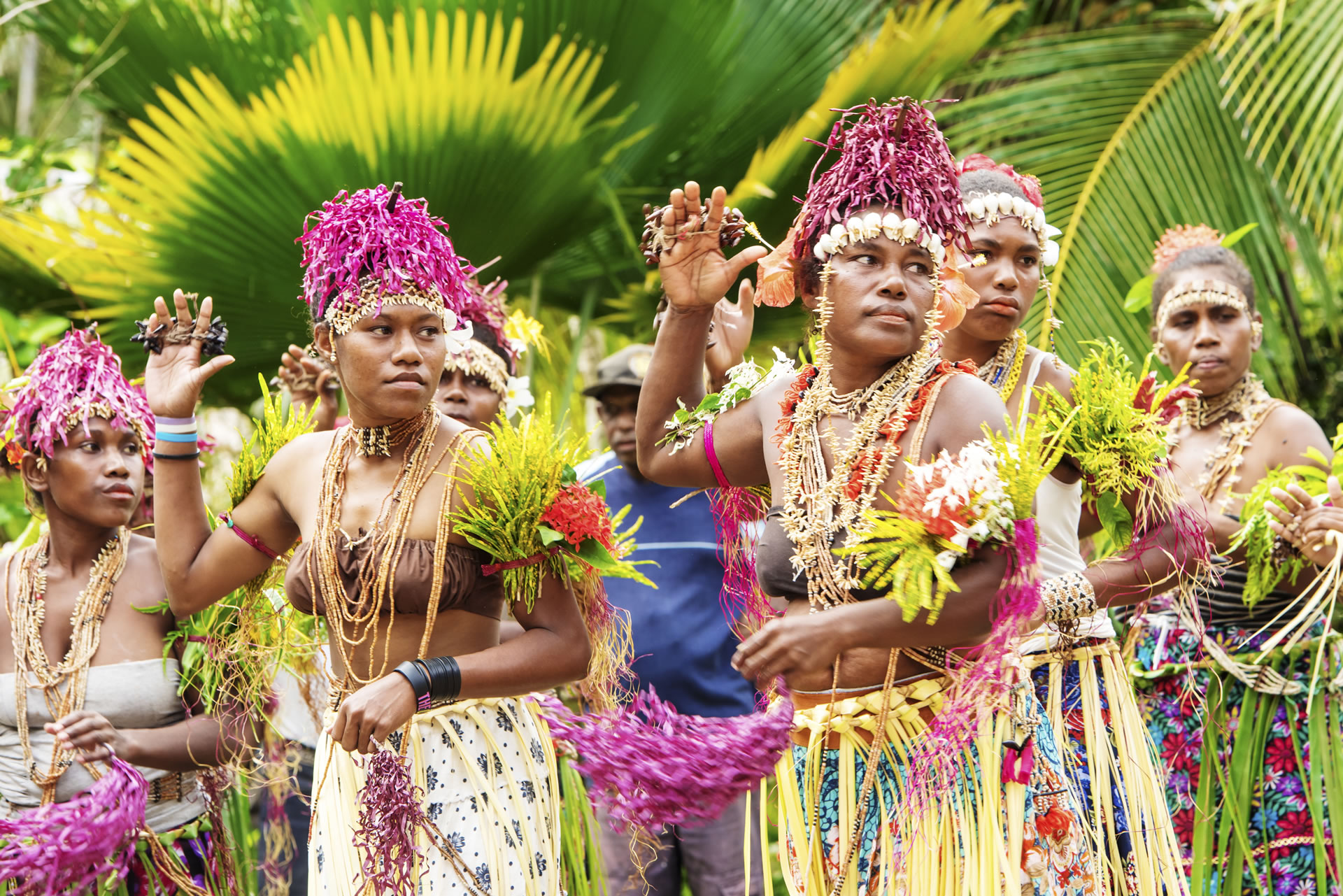
During the course of the itinerary, we will stop at some of the smaller islands, where you can enjoy some time on the beach or visit remote local villages. We usually visit Peava Village or Mbili Village in Marovo Lagoon, where guests can experience the villagers' traditional way of life, admire their handicraft skills, be entertained by a ceremonial dance performance and be shown around the elementary school to meet the children and their teachers. During these visits, the children often come out to play a game of football and love receiving gifts of school supplies. Read our Pack for a Purpose blog to see what they would appreciate you bringing.
The following is an example of the day-to-day itinerary.
Safety and dive briefings are conducted in English. If you, or any of your group, do not speak or fully understand English, please let us know before you travel.
*We kindly request that guests check their flight departure times to ensure they leave a minimum of 24 hours between their final dive and their flight home. While we wish to show you the best diving possible, the safety and comfort of all on board remain paramount throughout the itinerary, with various factors determining which sites we visit on each trip.
Weather, tides, currents and many other considerations influence the Cruise Director’s and Captain's decision on the exact route the boat takes and where we dive each day. Dive sites are always chosen with sea conditions, marine life, visibility and guest safety in mind. Following is a sample of dive sites we may visit during your liveaboard. Disclaimer: The information below is only a general indication of the areas covered and some of the possible dive sites; the inclusion of specifically named sites is not guaranteed and may differ from one trip to the next. The decision on which dive sites are included on each trip is largely determined by marine life activity and sea and weather conditions, and we may offer multiple dives at some locations. We will offer diving at other sites that are not listed below if we are unable to reach or remain at a specific area for any reason.
The Travel Authorization trial which was introduced by the Solomon Islands Government in November 2022 has been suspended until further notice. However, all incoming travellers are required to complete a Health Declaration Card which will be made available either in flight or at the port of entry. Airport Tax Currently, there are no airport taxes to pay in the Solomon Islands.
Insurance Insurance which covers scuba diving is mandatory.
Your insurance must cover all of your scuba diving and snorkelling activities, including costs for recompression chamber treatment and emergency air evacuation. We strongly recommend purchasing diving-specific insurance to cover any diving-related eventuality.
All guests are also required to carry full travel and cancellation insurance, as outlined under section 3 of our Terms and Conditions. We cannot be held liable for delays occurring during the cruise, nor any delays or cancellations of flights, accommodations, or tours and transfers that we organise on your behalf.
On Best of Solomons, Florida & Russell Islands and Guadalcanal & Western Province itineraries we dive a few wrecks. They are all within recreational dive depth limits and light penetration is possible. However, guests wishing to do any wreck penetration must be certified to do so and be prepared for the risks which it involves. Our WWII Wreck Weeks itineraries are primarily aimed at divers who are happy to do almost every dive on a wreck. The wrecks covered on this itinerary are all within recreational depth limits, although some are at the very boundaries. However, there are also interesting reef dives included in the WWII Wrecks itinerary.
Water Temperature and Exposure Suits Water temperatures average around 28°–30°C (82°F to 85°F) all year round. The majority of divers will find a 3mm wetsuit provides sufficient warmth. However, if you are prone to feeling chilly after multiple dives, you may wish to bring a 5mm wetsuit, or additional thermal protection with you. Rental wetsuits on Solomons Master are 3mm, full-length. We do not allow the use of dive gloves.
Use of a dive computer and surface marker buoy (SMB) is compulsory for all divers; Both are available on board for guests who do not have their own.
Although we do not allow the use of dive gloves, you are welcome to bring a reef hook or pointer stick should you wish to do so. A single 11 litre (80 cu ft) aluminium cylinder with air fills, SMB*, weight belt and weights are provided free of charge.
A limited number of 13L (100 cu ft) cylinders are available for an additional charge and must be pre-booked. Rental equipment and gas costs can be viewed under 'Extras' on the Solomons Master page of our website or downloaded here: Solomons - Useful trip Information - Onboard Extras Equipment sizes and quantities are limited, and therefore subject to availability; please let us know your requirements at the time of confirming your liveaboard holiday so we can make sure they are available. Rebreathers & Tech Equipment
The Solomon Islands has an equatorial climate typical of many tropical areas, meaning it is usually hot and humid all year round. The average air temperature is around 27° Celsius with only marginal changes from season to season. However, there are two distinct seasons – a dry season from May to October and a wet season from November to April, with the wettest months being January and February. Although uncommon, cyclones can occur in the wet season, but they usually bypass the Solomon Islands and veer toward Vanuatu or down the coast of Australia.
All cabins have individually controlled air-conditioning, private en-suite bathroom and lockable safety box; Towels and shower gel are provided free of charge to all guests.
Meals are provided on a full board basis including a light breakfast, full breakfast, lunch and dinner served buffet style in the indoor dining area. We offer a choice of International and locally inspired dishes and can cater to most special dietary needs with advance notice.
A complimentary range of carbonated soft drinks, fruit juices and teas are available at all times as well as instant and fresh brewed coffee, snacks and fresh fruit.
There is also beer, wine and spirits available from our bar on board for an additional charge.
Guests may bring a single bottle of wine, spirits, or champagne to consume on board if they wish, but not beer.
For your time on board, we recommend casual, lightweight and comfortable clothes; swimwear, shorts, t-shirts for daytime and a sweater for cooler nights, particularly after multiple dives.
We kindly ask guests to respect local customs and the wishes of others by donning appropriate clothing for meal times and when visiting local villages.
Most guests prefer to walk barefoot on board our vessel but sturdy sandals or cross-trainers are suggested for island visits. For island village visits, modest clothing is recommended, i.e. covered shoulders (t-shirt rather than tank top) and long shorts or sarong (that cover the thighs) are considered appropriate for both men and women.
The boat is equipped with laundry facilities and our housekeeper is happy to launder your clothes during the trip. A nominal fee of 1.00 USD per item is charged for laundry, irrespective of size/ weight.
The waters surrounding the Solomon Islands are vital to local communities. They provide food and transport and form the backbone of the local way of life. Communities own the water surrounding their land from the high-tide mark out as far as the villagers can paddle. As part of their ownership rights, chiefs from each village collect Marine Kastom fees from all who use their waters.
The Kastom fees apply to all guests on board, whether they are diving or not, and are currently $30 USD per night. The fee is tracked by our Trip Directors and distributed among the villages where we dive, snorkel, anchor or participate in village visits. Please refer to your itinerary details for the amount payable for your trip. The applicable amount will be added to your invoice to be paid on board.
Extras such as laundry, alcoholic drinks, and Master Liveaboards merchandise, as well as equipment and nitrox which have not been paid for in advance, can be paid for on board in cash or by credit card.
All prices onboard are quoted in USD. For cash payments, we prefer USD or SBD; Due to a lack of banking facilities, exchange rates on board for payment in other currencies (EUR, GBP, AUD and NZD) are very unfavourable. We therefore recommend guests bring USD with them or withdraw SBD when they arrive. We suggest 300–500 USD (or equivalent currency) for any optional extras.
This may mean that the final amount charged to your card will be slightly different to your onboard invoice total due to exchange rate fluctuations and exchange rate fees imposed by the card issuer. Items that are paid in advance do not incur additional charges; we therefore strongly recommend adding equipment rental and nitrox costs to your liveaboard booking to be paid prior to the commencement of your holiday.
By accepting our offer in writing, you/you confirm that our terms and conditions have both been read and understood and that cancellation fees may apply if the trip is cancelled.
| AVAILABLE DATES | PRICE (1 ADULT) | PRICE (1 CHILDREN) | Single room supplement | TRAVEL STATUS | |
|---|---|---|---|---|---|
| Mon, 14 Dec 2026 / Wed, 30 Dec 2026 | NOK 87 630 NOK 73 100 | On request | Not available | On request |
| AVAILABLE DATES | PRICE (1 ADULT) | PRICE (1 CHILDREN) | SINGLE ROOM SUPPLEMENT | TRAVEL STATUS | |
| Mon, 14 Dec 2026 / Wed, 30 Dec 2026 | NOK 87 630 NOK 73 100 | On request | Not available | On request |
We will get back to you with an offer on the requested trip / package within 48 hours. All offers are non-binding and are usually valid for 7 days. Please note that reserved services can be canceled within these 7 days and that price may change until a final order is received.
SEND REQUEST